The relationship between efficient storage and stress reduction in minimalist environments
The Impact of Efficient Storage on Mental Well-Being
In the fast-paced environment of modern life, where distractions are prevalent and time is at a premium, the drive toward effective storage solutions has become an imperative rather than a choice. As individuals increasingly gravitate toward minimalist environments, the effects of this approach are becoming more apparent—not just aesthetically, but also in their profound effects on mental health and emotional well-being. This leads to a critical examination of how well-organized spaces contribute significantly to stress reduction.
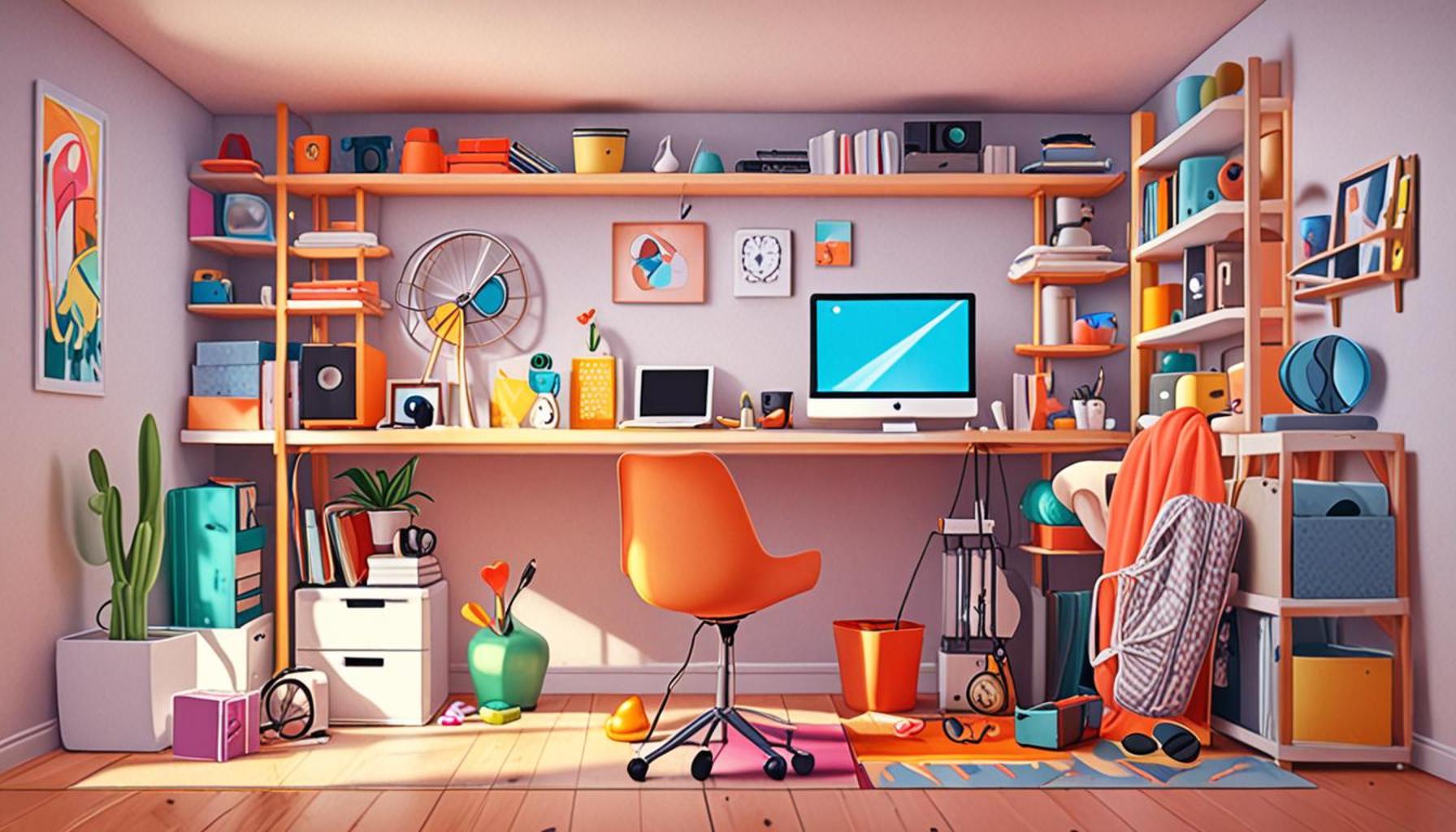
Research indicates that physical clutter can contribute to mental clutter, making it difficult for individuals to concentrate and process their thoughts effectively. A hallmark of minimalist design is its focus on simplicity and purpose. When one enters a space where everything is neatly organized and has a specific place, the visual noise is greatly diminished. Visual calmness is achieved, which facilitates clearer thinking. For instance, consider a workspace filled with papers, knick-knacks, and unorganized materials. The chaos can serve as a constant distraction, making it challenging to focus on the tasks at hand. In contrast, a minimalist desk with only essential items promotes a sense of peace and productivity.
Going deeper, enhanced focus emerges as another critical benefit of efficient storage solutions. By removing unnecessary distractions, individuals find it easier to concentrate on what truly matters. Studies have shown that when people work in organized environments, their productivity often increases significantly. This can be particularly important for students studying for exams or professionals handling complex projects, as the ability to focus directly correlates to academic and career success.
Streamlined Access and Time Management
Another vital aspect of efficient storage pertains to how it promotes effortless navigation within one’s environment. Imagine trying to cook dinner in a kitchen where utensils and ingredients are scattering the countertops and hidden away in drawers that are hard to open. Every minute spent searching for that missing spatula or that hidden spice can spike frustration levels. On the flip side, kitchens that employ smart organizational strategies, such as labeled containers and designated zones for different tasks, enable cooks to navigate their spaces quickly, reducing time wasted and streamlining the cooking process.
As we continue to explore this interplay between storage efficiency and stress alleviation, it becomes evident that the minimalist approach transcends mere aesthetics. It represents a thoughtful lifestyle choice that fosters mental clarity and promotes well-being. As clutter diminishes and organization flourishes, the benefits extend beyond the physical space; they encourage a mindful approach to everyday life, where every item serves a purpose, and every area contributes to a peaceful mind.
Reassessing and resetting your living or working environment can promote a sense of control and calm. The implications of transforming cluttered spaces into harmonious retreats go beyond the simple act of tidying. This change can lead to a significant, and often overlooked, shift in perspective regarding how we interact with our spaces—and by extension, how we navigate our lives. Discovering the relationship between organized environments and mental wellness is a compelling journey worth embarking on.
DISCOVER MORE: Click here to delve into mindful simplicity
Creating a Harmonious Space through Efficient Storage
Efficient storage solutions not only clear physical clutter but also play a pivotal role in enhancing mental well-being within minimalist environments. When a space is meticulously organized, it engenders a feeling of order and tranquility that can fundamentally alter one’s emotional state. This notion is not merely theoretical; numerous studies have linked organized environments with reduced stress levels. For instance, a recent survey conducted by the National Sanitation Foundation highlighted that 75% of respondents reported feeling significantly calmer in spaces that were tidy and well-arranged.
Understanding the psychology behind this can provide valuable insights into why efficient storage proves beneficial for mental health. The concept of “cognitive overload” comes into play when our surroundings are chaotic. Cognitive overload occurs when the brain is overwhelmed with stimuli, making it difficult to process information and make decisions. This can lead to heightened stress and anxiety. In minimalist settings, the intentional use of space and storage minimizes cognitive overload, fostering an environment where clarity and focus can thrive.
Maximizing Functionality and Aesthetic Appeal
One key advantage of minimalist environments is their ability to maximize both functionality and aesthetic appeal through efficient storage solutions. Below are some elements commonly found in well-organized spaces that contribute significantly to stress reduction:
- Smart Furniture: Multi-functional furniture can drastically improve organization. For example, a coffee table with built-in storage can reduce clutter while serving its primary purpose.
- Labeled Containers: Simple labeling of storage boxes and bins not only helps identify contents swiftly but also creates a purposeful arrangement that facilitates easy access.
- Vertical Solutions: Utilizing vertical space through shelving and hooks can free up valuable floor space, allowing for a more open and inviting atmosphere.
- Decluttering Routines: Establishing habits such as regular decluttering can reinforce the commitment to maintaining an organized space, preventing the resurgence of clutter over time.
By integrating these storage strategies, individuals can achieve a seamless blend of comfort and utility, transforming their spaces into havens of peace. This transformation has far-reaching implications for emotional health, promoting a lifestyle characterized by intentional simplicity and reduced anxiety.
Moreover, the benefits of efficient storage extend beyond mere organization; they can cultivate a sense of achievement and control. When individuals can locate items quickly and navigate their environments effortlessly, it reinforces a feeling of mastery over one’s surroundings. This empowerment can lead to increased self-esteem and overall satisfaction with one’s living space. Ultimately, the relationship between efficient storage and stress reduction in minimalist environments encourages individuals to embrace a thoughtful approach toward their possessions, leading to a more meaningful and peaceful existence.
| Advantage | Details |
|---|---|
| Enhanced Focus | A minimalist environment reduces visual clutter, allowing individuals to concentrate better on tasks. |
| Improved Mental Clarity | Efficient storage solutions create an organized space that promotes a sense of calm, leading to reduced anxiety levels. |
Efficient storage plays a vital role in creating minimalist environments, which are increasingly recognized for their impact on mental well-being. The relationship between efficient storage and stress reduction is profound, as it facilitates not only organization but also encourages a peaceful atmosphere. By minimizing the amount of stored items and utilizing space effectively, individuals can enhance their focus on important activities.Moreover, a decluttered space fosters better mental clarity. Freed from excess distractions, a person can think more clearly and feel more balanced in their daily activities. This organization is essential in our fast-paced lives, where stress often stems from chaotic surroundings. The ability to locate items quickly and have an orderly environment directly correlates with lower stress levels, inviting further exploration into how efficient storage methods can shape our living spaces. Discovering innovative solutions for organized storage can enhance the quality of life, making it undoubtedly worthwhile to investigate further.
DISCOVER MORE: Click here to start your minimalist journey
The Role of Personalization in Efficient Storage
While efficient storage solutions can transform a space, the impact they have on stress reduction is further enhanced when individuals infuse their personal touch into the organization of their belongings. Personalization fosters a sense of belonging and ownership, elements that are crucial for emotional well-being. According to a study by the American Psychological Association, environments that reflect personal identity are associated with lower levels of anxiety and greater overall happiness.
To create a personalized storage system, individuals can start by evaluating the items they truly value and use regularly. This process not only highlights the necessity of each item but also encourages individuals to let go of unnecessary possessions that may contribute to clutter and stress. Embracing this minimalist approach promotes mindfulness, allowing for intentional choices that reflect true preferences rather than societal pressures or trends.
Time Management through Efficient Storage
Another compelling aspect of efficient storage is its ability to enhance time management, an often-overlooked contributor to stress reduction. When an organized environment makes it easy to access items swiftly, individuals can devote more time to meaningful tasks and activities. Research conducted at the University of California revealed that individuals spend an average of 55 minutes a day searching for misplaced items. This lost time can lead to frustration and feelings of inadequacy, especially in a fast-paced society where efficiency is highly valued.
Implementing efficient storage solutions helps mitigate this issue by establishing designated places for items, whether they be kitchen tools, office supplies, or personal belongings. For instance, utilizing drawer dividers in a kitchen or office can organize small items, making it easier to locate what is needed. Such strategies not only enhance productivity but also create a calmer and more focused mindset. When a person is not preoccupied with searching for lost items, they can engage more fully in their activities, reducing anxiety and stress.
The Impact of Color and Texture in Storage Design
The relationship between efficient storage and stress reduction is also influenced by the design elements of the storage solutions themselves. The color and texture of storage options can dramatically affect mood. For example, soft hues and natural materials often evoke feelings of calmness and relaxation. A study published in the Journal of Environmental Psychology suggests that colors such as blue and green can lower heart rates and promote a serene atmosphere. By selecting storage containers, furniture, and shelving that incorporate these principles, individuals can further enhance the peacefulness of their minimalist environments.
Moreover, the tactile experience of engaging with storage solutions can also play a role in overall well-being. Textured surfaces and comfortable materials can evoke positive sensory feedback when organizing spaces. This encourages individuals to interact with their belongings in a more mindful way, reinforcing the emotional connection to their environment. Therefore, the sensory aspects of storage not only complement the visual harmony but also deepen the therapeutic effects of minimalist spaces.
In sum, the efficient storage relationship with stress reduction in minimalist environments is multifaceted—encompassing personalization, time management, and design principles. By thoughtfully curating their spaces, individuals can create not only functional organization but also boost their mental well-being, paving the way for a fulfilled and serene lifestyle.
DIVE DEEPER: Click here to discover beginner decluttering techniques
Conclusion: Embracing Efficient Storage for a Stress-Free Life
The connection between efficient storage and stress reduction in minimalist environments serves as a powerful reminder of the impact our surroundings have on our mental well-being. By thoughtfully organizing our belongings, we not only enhance the functionality of our spaces but also cultivate an atmosphere that promotes calmness and clarity. This article has explored various dimensions of this relationship, emphasizing the importance of personalization, time management, and design elements in creating environments conducive to serenity.
As we have seen, personalization in organizing belongings instills a sense of ownership that significantly alleviates anxiety, while efficient storage solutions streamline daily tasks, ultimately saving precious time and reducing frustration. The integration of color and texture in design further enriches these minimalist spaces, transforming them into havens of tranquility. With numerous studies linking organized environments to lower stress levels, it becomes clear that our spaces can profoundly influence our emotional states and daily experiences.
Moreover, as the trend towards minimalism continues to gain traction in the United States and beyond, it is crucial to understand the far-reaching benefits that come from not just decluttering but also implementing organized systems. By adopting efficient storage practices, individuals can foster a lifestyle that prioritizes mental well-being, leading to greater happiness and productivity.
In an age where stress levels are at an all-time high, actively choosing to create peaceful, personalized environments through efficient storage can be a transformative step toward a more fulfilling life. As we take these steps towards decluttering and simplifying, we open the door to a serene existence, where productivity flourishes, and stress diminishes.