Minimalist Kitchen: Streamlined Living Tips to Simplify Cooking and Food Organization
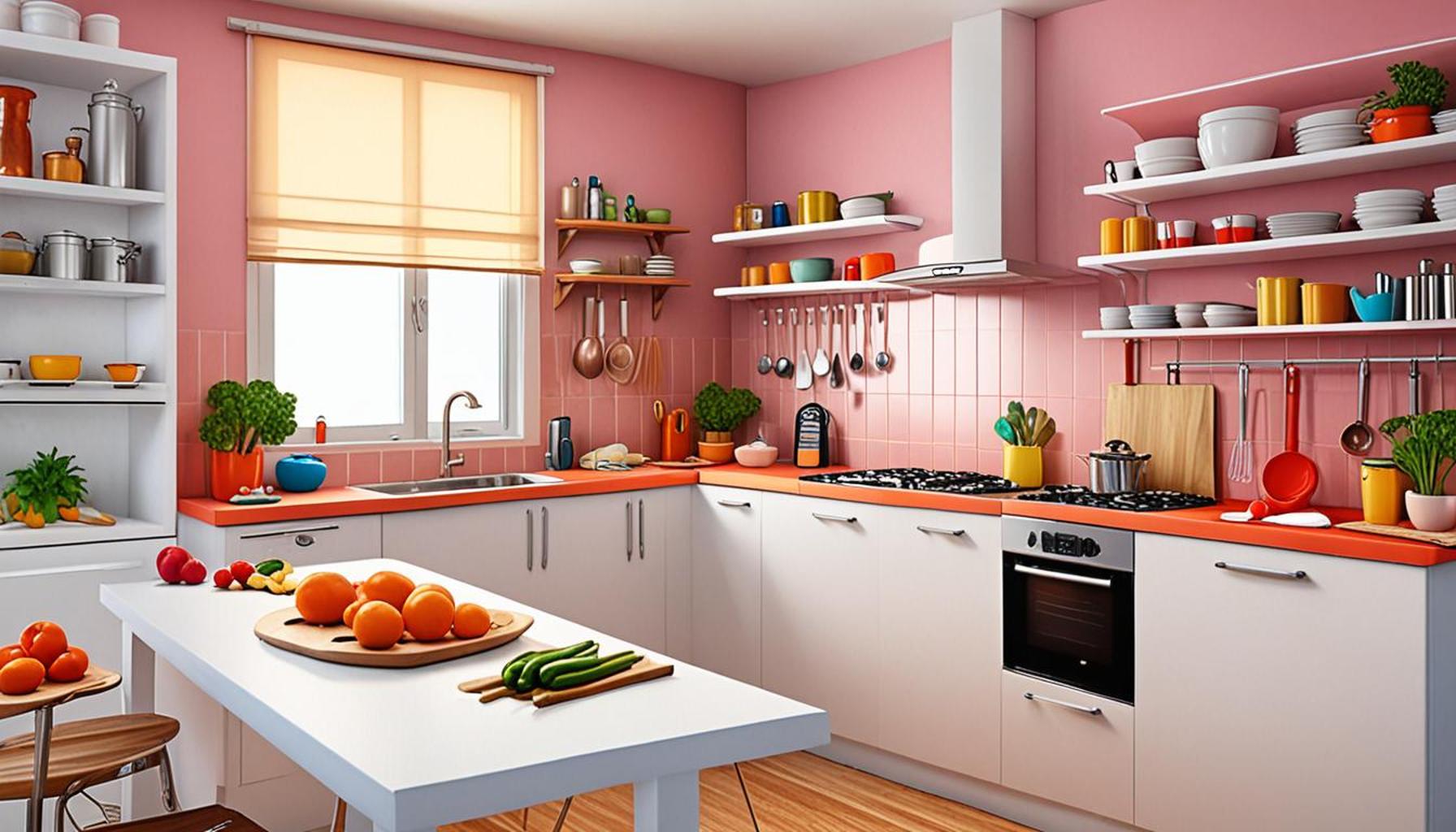
Embracing Minimalism for a Brighter Culinary Experience
The concept of a minimalist kitchen exceeds mere aesthetic appeal; it fundamentally reshapes how you cook and interact with food. A streamlined space not only enhances efficiency but also cultivates a calmer atmosphere, making meal preparation feel less like a chore and more like a creative endeavor. In a world brimming with distractions and excess, the minimalist kitchen stands as a refuge of simplicity and clarity.
When embarking on your minimalist journey, consider the following core principles:
- Declutter: Start by evaluating each item in your kitchen. Ask yourself, “Does this serve a purpose, or do I just like having it around?” Items that are duplicates or that you haven’t used in over a year can often be donated or discarded. For instance, if you find three spatulas, consider keeping only the best one. This decluttering process can feel liberating and set the tone for a new kitchen ethos.
- Streamline tools: Focus on keeping only the essential cooking tools that you use regularly. A set of quality kitchen knives, a few versatile pots and pans, and a dependable cutting board can suffice for most cooking needs. For example, opting for a multi-functional blender can save space while allowing you to make smoothies, soups, and sauces.
- Organize smartly: An effective kitchen organization strategy can significantly enhance your cooking efficiency. Designate specific areas for various tasks, such as a prep zone with chopping boards and knives close together, a cooking zone for pots and cooking utensils, and a cleaning area near the sink for easy access to towels and dish soap. Not only does this lead to a more productive environment, but it also means you’ll spend less time searching for items.
These foundational steps pave the way toward a more organized and inspiring kitchen. Beyond decluttering and tool selection, consider the potential of your storage solutions. Utilize vertical space by installing shelves or hooks to hang pots and utensils, which can free up precious cabinet space and add an intriguing visual element. Embrace clear containers to store dry goods, which help you easily see what you have on hand while maintaining a tidy appearance.
As urban living continues to trend towards smaller spaces, the minimalist kitchen becomes not only appealing but virtually essential. A well-structured kitchen fosters a sense of control and ease that can transform mealtimes from a source of stress to an opportunity for creativity. With minimalism as your guiding philosophy, you will discover how efficiently you can manage your kitchen and, perhaps more importantly, enjoy the accompanying benefits of reduced stress and increased creativity in your cooking endeavors.
In conclusion, by simplifying your kitchen, you create a nurturing environment that enhances the joy of cooking. This minimalist approach invites you to rethink not only your kitchen organization but your entire relationship with food and cooking.
DIVE DEEPER: Click here to discover efficient storage solutions
Transforming Your Cooking Space with Minimalist Principles
The transformation to a minimalist kitchen begins with a vision—one that centers around efficiency, functionality, and a harmonious cooking environment. By adopting minimalist principles, you not only declutter your physical space but also reframe your mental approach to cooking and food organization. This chapter invites you to explore specific strategies that optimize your kitchen space while enhancing your culinary creativity.
One of the most impactful ways to begin your minimalist kitchen journey is to embrace a decluttering mindset. Consider launching a ’30-day kitchen challenge’ where you tackle one small area of your kitchen each day. Whether it’s a drawer, a cabinet, or your pantry, this incremental approach helps to avoid overwhelm. Here are a few tips to streamline the decluttering process:
- Set clear boundaries: Limit yourself to a specific number of items. For example, if you have an abundance of mugs, restrict yourself to only five favorites that fit well with your lifestyle.
- Utilize the “one in, one out” rule: For every new item you bring into your kitchen, commit to removing another. This principle helps maintain balance and prevents unnecessary accumulation.
- Involve the family: If you share your kitchen with loved ones, invite them to participate in the decluttering process. This collaborative effort fosters teamwork and creates shared ownership of the kitchen space.
Once you have successfully decluttered, streamlining your tools is the next crucial step. Many home cooks find themselves overwhelmed by an array of gadgets that promise convenience but instead contribute to confusion. A minimalist toolset focuses on quality over quantity. Consider these essential items that can elevate your cooking experience:
- Chef’s Knife: A well-balanced, sharp knife is invaluable for efficient food prep, allowing you to quickly chop, slice, and dice.
- Cast Iron Skillet: This versatile piece is perfect for everything from frying to baking and retains heat exceptionally well.
- Measuring Cups and Spoons: Accurate measurements are key to successful cooking. A nested set saves space while ensuring that you have what you need.
- Cutting Boards: A few high-quality cutting boards will help you maintain cleanliness while avoiding cross-contamination.
Another essential aspect of minimalism is smart organization. Efficient organization means that every tool, ingredient, and appliance has a designated spot, significantly increasing your speed and efficiency while cooking. To transform your kitchen, consider these organizational methods:
- Drawer dividers: Implement drawer organizers to keep utensils neat and easily accessible, sparing you the frustration of digging through clutter.
- Label your pantry: Clear containers not only maintain a tidy look but also help in quickly identifying ingredients, ensuring that you utilize what you have and avoid waste.
- Vertical storage solutions: Use wall space for hanging pots, utensils, or even fresh herbs. This not only saves counter space but also adds a decorative touch to your kitchen.
By applying these principles of decluttering, streamlining tools, and organizing smartly, you will begin to feel the liberation that a minimalist kitchen brings. With each small step you take, your kitchen becomes a sanctuary where cooking transforms from a mundane task to an inspiring adventure.
| Advantage | Description |
|---|---|
| Increased Functionality | Adopting a minimalist kitchen allows for a more functional space, enhancing cooking efficiency and reducing time spent searching for items. |
| Enhanced Aesthetics | A clean, uncluttered environment promotes calmness and creativity, making cooking a more enjoyable experience. |
| Simplified Organization | Using smart storage solutions optimizes space and keeps kitchen tools readily accessible, encouraging a more organized cooking routine. |
| Cost Savings | Embracing minimalist principles reduces unnecessary kitchen gadgets, ultimately saving money on impulsive purchases. |
The minimalist kitchen approach is all about enhancing each element in your culinary space to create an inviting atmosphere that fosters cooking creativity. By focusing on functionality and aesthetics, one can transform a chaotic kitchen into a streamlined haven for culinary delights. This often leads to the elimination of excess items, empowering home cooks to engage with the essentials that matter most.Streamlined living extends beyond organization; it’s about creating a lifestyle where cooking becomes less of a chore and more of a passion. With smart organizational solutions, clutter is not only reduced, but the kitchen becomes a serene environment, free from distractions. Transitioning to this minimalist kitchen will encourage you to appreciate your cooking experience more deeply, as well as inspire innovation in every meal you prepare.
DIVE DEEPER: Click here to discover efficient storage solutions
Mastering Meal Preparation with Minimalist Strategies
Moving beyond the physical space of a minimalist kitchen, the next focal point is to implement meal preparation strategies that align with a simplified lifestyle. A minimalist approach to meal prep not only reduces stress but can also foster creativity and sustain a healthy diet. Here are various techniques aimed at cultivating a pleasurable and efficient cooking experience.
One of the most effective strategies is batch cooking. Preparing larger quantities of food at once can dramatically minimize the time spent in the kitchen throughout the week. Here are a few pointers for successful batch cooking:
- Select versatile recipes: Choose meals that can be transformed into different dishes. For example, roasted vegetables can serve as a side for one meal and be woven into a frittata or salad for another.
- Invest in stackable containers: Quality, stackable storage solutions help save space in your fridge and pantry while enabling easy access to prepped meals, keeping everything neat and organized.
- Plan your week: Dedicate a few minutes every weekend to map out your meals for the upcoming week. This intentional approach can alleviate last-minute decisions that might lead to unhealthy eating.
Alongside batch cooking, integrating a seasonal perspective into your meal planning can further enhance the simplicity of your cooking routine. Embracing seasonal ingredients not only supports local farmers and reduces your environmental impact, but it also provides a natural way to simplify your grocery list. Here’s how to delve into seasonal cooking:
- Join a local CSA (Community Supported Agriculture): Participating in a CSA can introduce you to fresh, local produce and inspire meal ideas based on the seasonal bounty offered.
- Explore farmers’ markets: Shopping at farmers’ markets allows you to obtain fresh produce while also connecting with vendors who can suggest cooking tips that highlight in-season fruits and vegetables.
- Adjust recipes seasonally: Use seasonality to guide your cooking choices. For instance, hearty stews are perfect as fall approaches, while fresh salads are ideal in the summer months.
Another key aspect to consider is implementing a smart grocery shopping technique. Mindful shopping can not only cut down on waste but can make cooking more enjoyable. Below are some strategies for shopping effectively:
- Craft a grocery list: Before heading to the store, plan out meals and make a list that focuses on whole, unprocessed items, which are often more minimalist in nature.
- Adopt a ‘clean-out-the-fridge’ mentality: Try to plan meals around items you already have on hand to minimize waste and free yourself from accumulating unnecessary groceries.
- Limit impulse buys: Stick to your list and avoid shopping when you’re hungry to prevent last-minute indulgences that can clutter both your pantry and your mind.
Moreover, employing a simplified cooking methodology can keep your culinary journey engaging yet uncomplicated. Techniques such as one-pot cooking or sheet pan dinners reduce both prep and clean-up time, making them popular among minimalist cooks. Not only do they minimize dishwashing, but they also allow the flavors of ingredients to meld beautifully.
As you embrace these minimalist cooking strategies, you will discover that a streamlined kitchen not only fosters culinary experimentation but also enhances the joy of cooking. By incorporating batch cooking, seasonal ingredients, mindful shopping, and simplified preparation techniques, your kitchen becomes a joyful space where creation thrives—not merely a place for daily chores.
DIVE DEEPER: Click here to uncover advanced decluttering strategies
Conclusion: Embracing the Minimalist Kitchen Philosophy
In conclusion, a minimalist kitchen is more than just an aesthetic choice; it embodies a lifestyle that values simplicity, efficiency, and creativity in the culinary realm. By adopting strategies such as batch cooking, embracing seasonal ingredients, and practicing mindful grocery shopping, you can transform your cooking experience into one that is not only enjoyable but also stress-free. These practices help to reduce waste and foster a deeper connection with your food, allowing you to dine with intention.
As you pare down kitchen clutter and simplify meal prep, you open the doorway to a more engaging cooking process that encourages experimentation and innovation. Remember, cultivating a minimalist kitchen doesn’t mean sacrificing flavor or variety; it’s about prioritizing what truly matters to you and your health.
Additionally, consider how a streamlined approach can ripple through other areas of your life, leading to improved organization, reduced stress, and a more thoughtful engagement with your surroundings. Whether you’re a busy professional, a parent juggling family meals, or someone passionate about culinary arts, the principles of a minimalist kitchen can lead to more satisfying and fulfilling cooking experiences.
As you embark on this journey of simplification, may your kitchen become a sanctuary of creativity and nourishment, allowing each meal to reflect the joy of cooking with ease and intention. Dive into the world of streamlined living and discover how a minimalist approach can dramatically enhance not just your meals, but your overall relationship with food.