Mindful Simplicity in Practice: Tips for Creating a Minimalist and Serene Living Space
The Importance of Cultivating a Calm Environment
In today’s fast-paced world, where the constant influx of information can feel overwhelming, creating a serene living space has never been more vital. A tranquil environment serves as an oasis amid the chaos, allowing individuals to cultivate clearer thoughts, deeper connections, and a more balanced lifestyle. The philosophy of mindful simplicity urges us to scrutinize our belongings and focus on what genuinely enhances our lives.
Understanding Mindful Simplicity
So, what does a mindful approach to simplicity entail? It goes beyond just owning fewer items; it’s about being intentional with every facet of your living environment. Here are some essential components:
- Decluttering: This process involves identifying and removing items that no longer serve a purpose or bring joy. Consider implementing methods like the KonMari Method, developed by Marie Kondo, which encourages keeping only the items that “spark joy.” Regularly reassessing your possessions prevents the accumulation of unnecessary clutter.
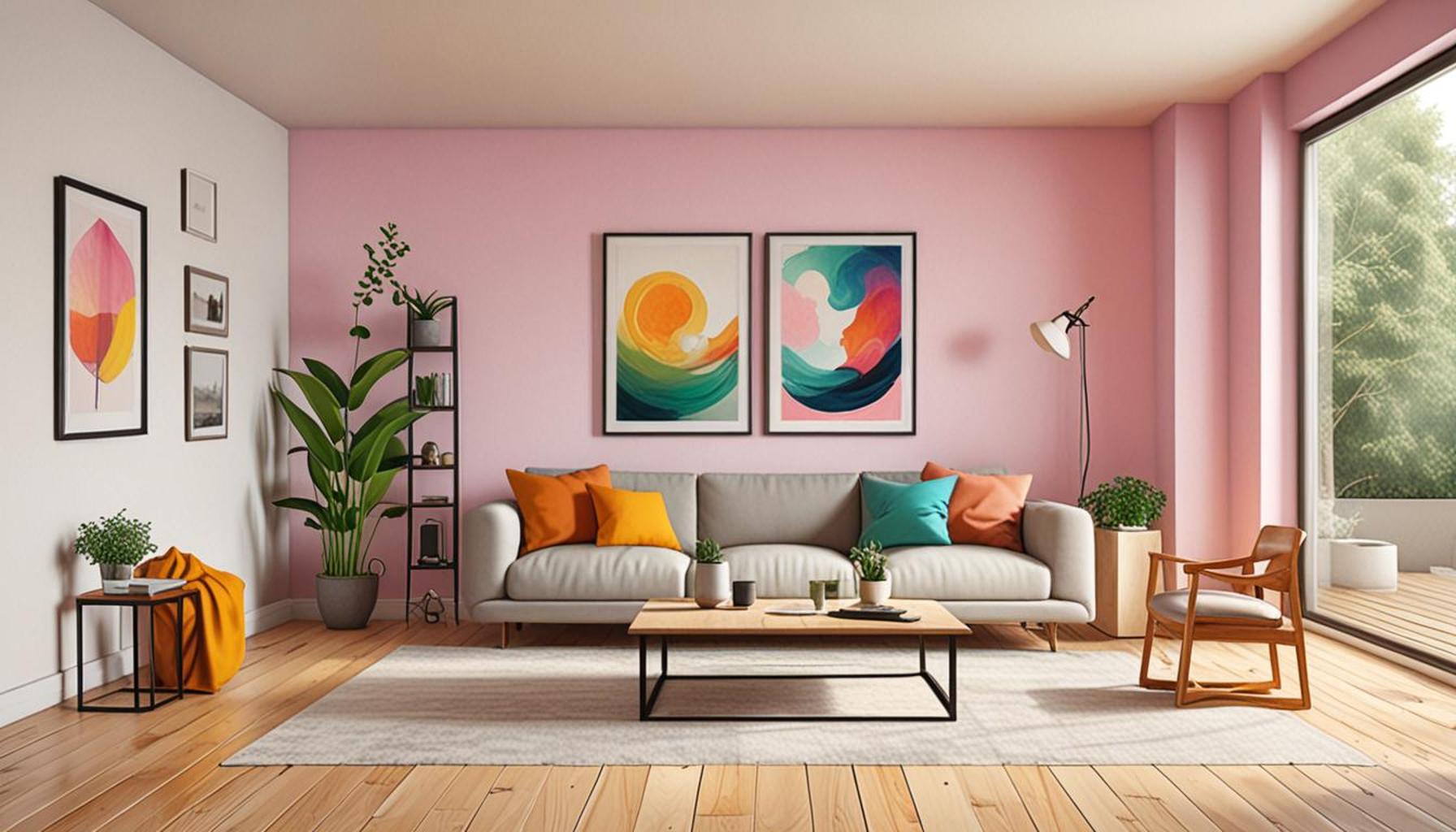
- Intentional Decor: Every element in your home should evoke feelings of tranquility or happiness. This could involve selecting artwork that resonates deeply or opting for colors that promote relaxation, such as soft blues and greens. For example, incorporating plants not only beautifies a space but also improves air quality and fosters a soothing atmosphere.
- Functional Spaces: Design each room with purpose in mind. Create spaces that facilitate relaxation, such as a cozy reading nook or a peaceful meditation corner. Also, ensure that high-traffic areas are organized and efficient, thus preventing frustration and chaos.
Mindfulness and Mental Well-Being
By integrating these principles into our homes, we can create not just aesthetically pleasing environments, but also harmonious atmospheres that reflect our inner peace. Embracing mindfulness invites us to stay present; when this mindset permeates our living spaces, it significantly influences our mental well-being.
Moreover, adopting a minimalist mindset can yield numerous tangible benefits:
- Reduced stress levels through an organized environment, promoting a sense of control.
- Enhanced focus due to the elimination of distractions, allowing for greater productivity, whether in work or personal projects.
- Increased creativity, as curated spaces often inspire fresh ideas and innovative thinking.
Taking Action Towards Simplicity
The journey towards mindful simplicity does not require a complete overhaul of your living space overnight. Instead, it begins with small, actionable steps. Start by decluttering one area of your home and gradually working through each room. Consider using weekends to embark on this journey, turning it into a family activity or a personal project that brings joy and satisfaction.
Ultimately, every thoughtful choice leads to a more tranquil and fulfilling living environment, allowing serenity to flourish in our everyday lives. By embracing this intentional approach, we can transform not only our homes but also our overall quality of life.
DIVE DEEPER: Click here to discover the KonMari Method
Practical Steps to Embrace Mindful Simplicity
To effectively incorporate mindful simplicity into your living space, starting with tangible actions is essential. A minimalist approach fosters not only aesthetic appeal but also emotional well-being. Here are several practical strategies to guide you in creating a less cluttered and more serene environment:
1. Begin with a Decluttering Strategy
Decluttering serves as the foundational step toward establishing a minimalist home. Begin by choosing one area of your home, such as a pantry or closet, and assess what you truly need. The 80/20 rule can be useful; often, we use 20% of our items 80% of the time. Therefore, identify pieces that are essential and consider donating or discarding the rest. After the initial clean-up, consider scheduling a monthly declutter check-in to maintain the space. This not only keeps clutter at bay but also reinforces the mindful simplicity mindset.
2. Create a Vision Board
Visualizing your ideal living space can be a powerful motivator. Crafting a vision board offers clear insight into the aesthetic and emotional ambiance you wish to cultivate. Collect images, colors, and textures from magazines or online platforms that inspire you. This curated collection can serve as a reference point during decor and design choices, ensuring each item fulfills your vision for a tranquil atmosphere.
3. Emphasize Natural Light
Manipulating natural light is a fundamental element in creating a serene environment. Aim to maximize sunlight in your home, which enhances mood and promotes a sense of spaciousness. Consider the following tips:
- Use light-colored curtains or shades that allow ample light to filter through while granting privacy.
- Keep windows clean to avoid obstructing the light entering your space.
- Incorporate mirrors strategically to reflect natural light, thereby creating an illusion of a larger area.
4. Choose a Neutral Color Palette
The colors that surround you can significantly impact your mental state. A neutral color palette–think soft whites, greys, and earth tones–can evoke calmness and simplicity. When selecting paints or decor, opt for hues that bring peace. Coupling these colors with natural materials–like wood and stone–can further enhance a soothing atmosphere. Making these conscious decisions not only aligns your space with a minimalist philosophy but also contributes to a serene lifestyle.
By taking these actionable steps, you can start to transform your space—leading to a home that reflects thoughtful design and deeper personal fulfillment. As these components come together, you’ll find that your environment begins to foster a sense of calm, ultimately enhancing your quality of life.
| Advantage | Description |
|---|---|
| Enhanced Focus | A minimalist space reduces distractions, allowing for better concentration and productivity. |
| Emotional Clarity | Fewer possessions lead to reduced stress and anxiety, promoting a sense of calm and tranquility in the living environment. |
Creating a serene living space through mindful simplicity not only involves physical decluttering but also requires an intentional approach towards what we bring into our lives. By focusing on enhanced focus, you’ll find that a well-organized, minimalist environment fosters an atmosphere where mental clarity thrives. Each item in your space has a purpose, contributing to productivity rather than distraction, allowing you to immerse deeply in your pursuits. Moreover, integrating emotional clarity into your minimalist approach enhances overall wellbeing. As you let go of the chaos that excess belongings create, you’ll notice a significant reduction in emotional turbulence. This calmness aids in promoting mindfulness practices, where the heart and mind align in a serene living space, ultimately paving the way for a more profound connection with oneself and the surrounding environment. Incorporating these principles into your home can offer transformative benefits, encouraging a lifestyle centered around tranquility and purpose.
DIVE DEEPER: Click here to discover more strategies
Enhancing Your Space Through Thoughtful Design Choices
Beyond decluttering and color schemes, several additional elements contribute significantly to creating a minimalist and serene living space. Each choice should be intentional, fostering an atmosphere that aligns with your values of simplicity and mindfulness.
5. Invest in Quality, Not Quantity
Embracing mindful simplicity means prioritizing quality over quantity in your belongings. When curating personal items, invest in pieces that are not only functional but also bring you joy. For example, instead of filling your home with numerous decorative items, select a few high-quality pieces that resonate with your personal style or have sentimental value. This ensures your space stays uncluttered, while your favorite items stand out. Furthermore, consider sustainable options when shopping, as eco-friendly materials often offer durability alongside aesthetic appeal.
6. Purposeful Furniture Arrangement
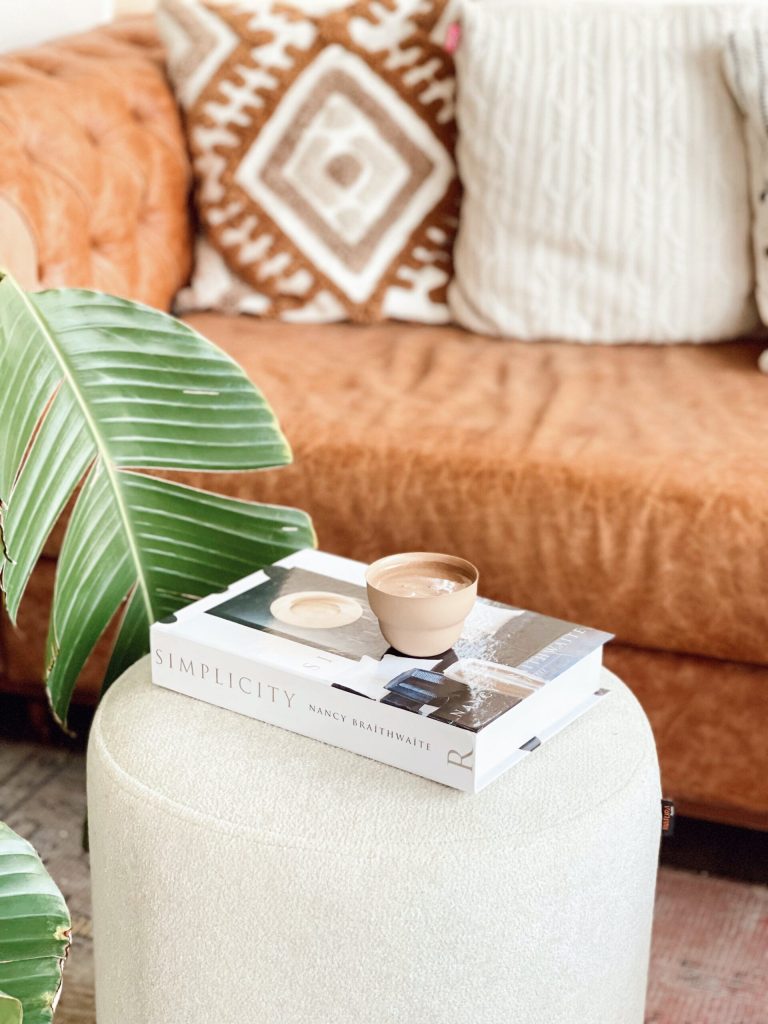
How you arrange your furniture significantly influences the energy of your home. Adopting a functional layout can create flow and promote a sense of balance. Start by placing larger pieces strategically – like sofas and chairs – to encourage conversation and connection. Ensure that pathways are clear; this not only makes the space feel larger but also emphasizes the feeling of openness. Consider using multi-functional furniture, such as an ottoman that doubles as a coffee table or storage, to reduce visual clutter while maintaining utility.
7. Incorporate Nature Indoors
The presence of plants can profoundly impact both aesthetics and well-being. Introducing natural elements can improve air quality and add vibrancy to your environment. Opt for low-maintenance houseplants like succulents, pothos, or snake plants, which are well-suited for indoor spaces. Additionally, incorporating organic materials such as wood, stone, and bamboo in your decor can evoke a connection to nature, contributing to a serene ambiance. Creating a small indoor garden or simply adding a few potted herbs can transform your space into a tranquil retreat.
8. Minimize Digital Clutter
In our technology-driven world, digital clutter can often go unnoticed but can significantly contribute to anxiety and distraction. Take time to declutter your digital devices by organizing files and unsubscribing from unnecessary emails. Designate specific times throughout the week to engage in device-free moments, allowing yourself to disconnect from technology and reconnect with yourself or your physical surroundings. Tools like productivity apps can help track your progress and encourage a more mindful relationship with technology.
9. Curate Personal Touches
While minimalism emphasizes restraint, it’s important to include personal touches that reflect your identity. Displaying art, photographs, or souvenirs that hold personal significance can add warmth and soul to a minimalist space. However, maintain a curated approach – choose a few meaningful pieces rather than overwhelming your walls. Additionally, integrating scents through essential oils or natural candles can create an inviting and serene atmosphere, enhancing the overall sensory experience of your home.
With these strategies in mind, begin taking small steps toward transforming your environment into a sanctuary of mindful simplicity. By crafting a daily practice that embraces intentional design choices, you can build a space that fosters peace, clarity, and a deeper connection to your life’s purpose.
DISCOVER MORE: Click here for effective storage solutions
Conclusion: Embracing Mindful Simplicity for an Elevated Living Experience
In the pursuit of a minimalist and serene living space, the journey often transcends mere aesthetics; it becomes a profound practice in conscious living. By implementing the principles of mindful simplicity, you create an environment that reflects your true self, fosters tranquility, and encourages intentionality in every aspect of your daily life. Each decision—from decluttering your space to integrating personal touches—serves as a stepping stone towards cultivating a home that resonates with peace and clarity.
As you move forward in your transformation, consider these fundamental aspects: prioritize quality over quantity, adopt thoughtful design elements, and create a sanctuary that nurtures both your mind and spirit. Engage with nature by welcoming plants into your home to enhance both beauty and air quality, and remember to minimize digital clutter that can disrupt your inner calm. Ultimately, a minimalist home is never static; it evolves as you do.
Take the time to revisit your space regularly and reassess what aligns with your life’s purpose. This practice of mindful simplicity not only amplifies your immediate surroundings but also enriches your entire existence. As you embark on this journey, explore resources, seek inspiration, and connect with others who share your vision. By doing so, you will not only create a living space that embodies serenity but also inspire a ripple effect of mindfulness throughout your community.
Your serene sanctuary awaits—embrace the profound yet simple act of living mindfully, and witness the transformative power it has on your life.