Creating Minimalist Workspaces: How the Environment Influences Time Management
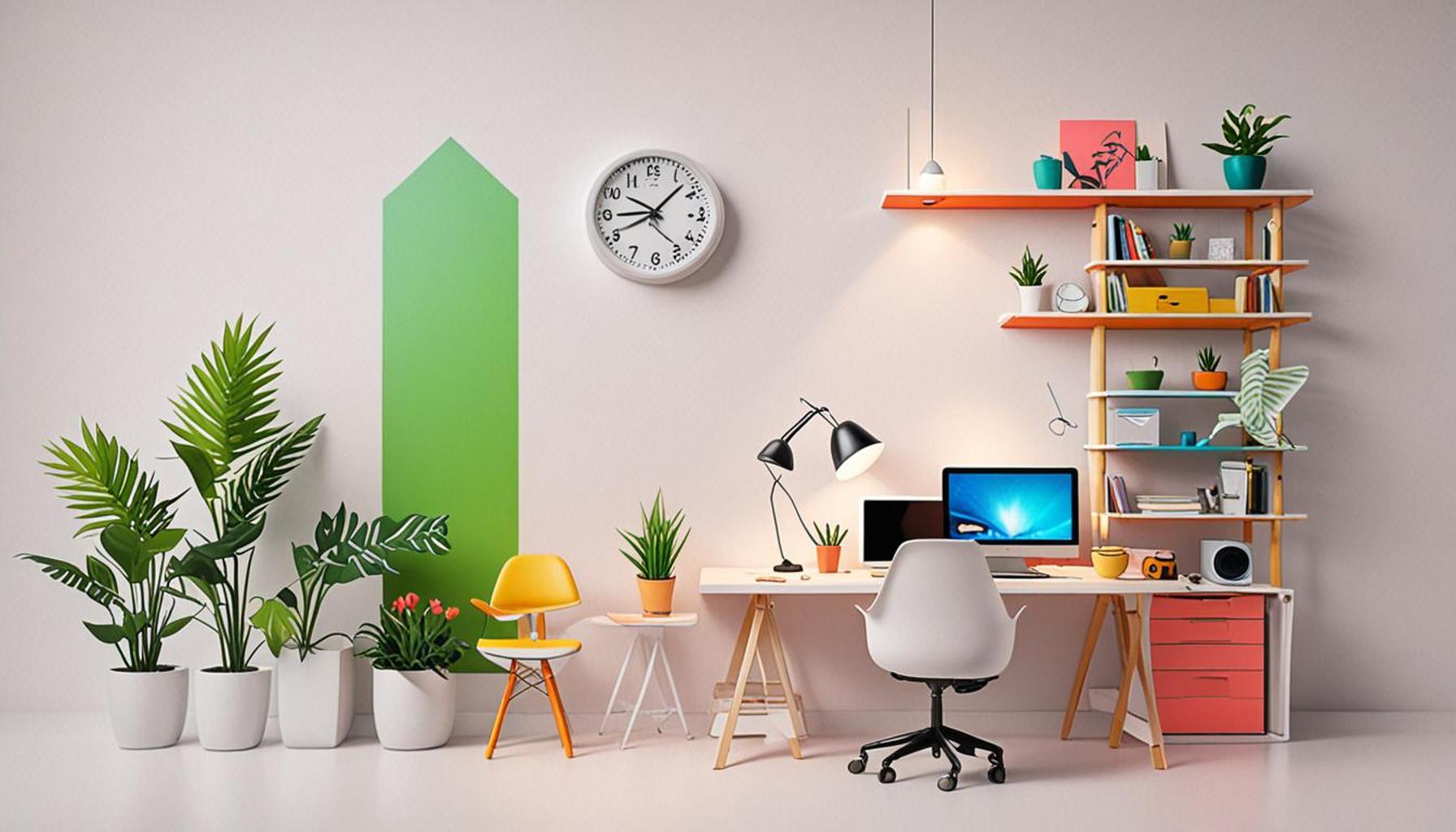
The Impact of Minimalist Workspaces on Productivity
In an era marked by fast-paced technological advancements and an ever-increasing pace of life, the importance of designing a minimalist workspace cannot be overstated. As companies strive to enhance employee performance and boost overall productivity, the physical environment in which professionals operate plays a critical role in shaping their effectiveness. A clean, uncluttered workspace provides not merely aesthetic pleasure but serves as a foundation for effective time management and decision-making.
Key Elements of a Minimalist Workspace
Understanding the components that contribute to a successful minimalist workspace can guide organizations looking to improve their environments. Here are three essential elements:
- Simplicity: By minimizing distractions such as excessive decor or redundant equipment, workers can maintain better concentration. A study by the University of California found that multitasking can decrease productivity by as much as 40%. Therefore, a simpler workspace inherently encourages employees to focus on the task at hand.
- Functionality: Each item in a minimalist workspace should have a specific purpose. For example, ensuring that all tools and resources needed for work are easily accessible while maintaining a clean desk promotes efficiency. In tech hubs like Silicon Valley, companies are incorporating this philosophy heavily, where even the layout of desks encourages organization and straightforward workflows.
- Organization: A well-structured space optimizes workflow and reduces frustration. Consider using storage solutions such as minimalist shelving or cable organizers to keep surfaces clear of clutter. Employees in workplaces with organized environments report that they can easily find and utilize resources, leading to a smoother and more productive workday.
The Benefits of a Tidy Workspace
Research highlights that a tidy environment not only fosters productivity but also significantly enhances decision-making processes. Employees working in minimalist setups often experience:
- A decrease in stress levels: Clutter has been shown to trigger anxiety and reduce an individual’s ability to focus. A decluttered area can create a calming effect, allowing for clearer thought processes.
- Improved time management skills: Without the distractions of a messy environment, employees can allocate their time more efficiently, focusing on high-priority tasks instead of getting bogged down by the chaos around them.
- An increase in collaboration and creativity: Minimalist spaces often embody open floor concepts that encourage teamwork. When employees are free from clutter, ideas can flow more freely, promoting innovation and collaborative projects.
Conclusion: Rethinking Your Workspace
As modern working paradigms continuously evolve, it’s time for individuals and organizations to reassess the spaces in which they operate. By adopting the principles of minimalist design, you can unlock new levels of potential, enhance productivity, and nurture a healthy work environment. Whether you are working from home or in an office, the journey towards a simplified and structured workspace could very well be the key to thriving in today’s dynamic economy. So, are you ready to rethink your workspace and seize the opportunity for structured simplicity?
DIVE DEEPER: Click here to discover the KonMari Method
Designing for Focus: Understanding Minimalism’s Role in Time Management
The premise behind creating minimalist workspaces rests on the belief that our environments profoundly shape our behaviors and cognitive processes. By reducing visual distractions and embracing simplicity, companies can significantly impact how employees manage their time and tasks. The connection between workspace design and time management isn’t merely a matter of aesthetics; it is a strategic approach to enhance performance and motivate individuals to achieve their goals.
The Psychological Connection Between Space and Focus
Psychologists have long studied how physical environments influence human psychology and behavior. According to research published in the Journal of Environmental Psychology, well-organized and decluttered spaces can lead to increased focus and decreased mental fatigue. In fact, a clean workspace correlates with the ability to think creatively and process information more efficiently. Employees who experience this level of clarity are better positioned to allocate time effectively, leading to productive work outcomes.
Moreover, a minimalist approach helps in fostering a healthy mindset. When the environment is free from distractions, individuals are more likely to prioritize their tasks. This is particularly crucial in high-pressure settings where time is of the essence. A study by the American Psychological Association revealed that clutter can overwhelm the brain, leading to procrastination and inefficient time allocation. A minimalist workspace, on the other hand, cultivates a sense of control and calm—factors that are essential for effective time management.
Implementing Minimalism in Your Workspace
While the benefits of a minimalist workspace are highly praised, the challenge often lies in the implementation. Here are several strategies that can aid in establishing a minimalistic environment that naturally enhances time management:
- Declutter Regularly: Make it a habit to clear out unnecessary items weekly. This could mean disposing of old documents or digital files that slow down workflow.
- Limit Digital Distractions: Consider utilizing tools and apps that help streamline tasks. A well-organized digital workspace can be as critical as the physical arrangement when managing time effectively.
- Prioritize Ergonomics: Invest in simple, functional furniture that supports proper posture and comfort. A workstation that promotes physical well-being can enhance focus and prevent time lost due to discomfort.
By incorporating these strategies into everyday work life, individuals and organizations can cultivate a productive atmosphere that aligns closely with the principles of minimalism. The journey towards a minimalist workspace not only promises enhanced time management but also paves the way for a heightened sense of focus and improved overall job satisfaction.
| Category | Details |
|---|---|
| Focus Enhancement | A minimalist workspace reduces distractions, enabling deeper concentration and enhanced productivity. |
| Reduced Stress | Simplified surroundings promote relaxation, leading to better time management and smoother workflow. |
Creating a minimalist workspace is paramount in today’s fast-paced environment, where distractions threaten to derail our focus. Focus enhancement becomes a natural benefit as one sheds unnecessary decor and clutter. A workspace distinctly freed of visual chaos allows individuals to zero in on tasks with laser focus, thereby optimizing their time effectively.Moreover, a minimalist setting facilitates reduced stress, as studies show that clutter can increase anxiety levels. A clear desk correlates with a clear mind, allowing professionals to not only meet deadlines but also maintain their mental well-being. By implementing design principles centered around minimalism, one can transform their work area into a haven for efficiency and concentration. This transition towards a more organized environment can substantially alter productivity levels, reflecting how environment influences time management. Discovering the nuances of these adjustments can motivate individuals to rethink their own workspace, ultimately leading to enhanced performance and satisfaction in their daily tasks.
DISCOVER MORE: Click here for smart storage tips
Enhancing Productivity: The Functional Aspects of Minimalist Workspaces
Beyond the aesthetic appeal, the functional aspects of minimalist workspaces play a crucial role in shaping how effectively individuals can manage their time. An efficiently organized space reduces the time spent searching for tools and resources, allowing employees to immerse themselves in their tasks more deeply. Studies have indicated that a simplified environment can enhance productivity by up to 20%, emphasizing the significant correlation between workspace design and output.
The Impact of Color and Lighting
Another critical element of creating a minimalist workspace lies in the choices of color and lighting. Research suggests that specific colors can affect mood and productivity. For instance, hues like blue and green tend to create a calm atmosphere, while brighter colors like yellow can stimulate creativity. Implementing a minimalist palette that emphasizes light colors, combined with effective natural lighting, can contribute to a positive and energizing work environment.
Natural light, in particular, has garnered attention for its effectiveness in enhancing focus and productivity. A study conducted by the Helsinki University of Technology demonstrated that employees who worked in environments with ample natural light reported a 46% increase in productivity and improvement in overall well-being. Therefore, designing workspaces that utilize big windows and open spaces not only reinforces a minimalist ethos but also supports better time management.
Creating Zones for Different Activities
Another principle of a minimalist workspace involves defining zones for specific tasks. In traditional office environments, it’s not uncommon for employees to multitask in the same space, leading to diminished focus and productivity. By creating designated areas for meetings, focus work, and collaborative tasks, organizations can help employees transition smoothly between different modes of work, thereby managing their time more effectively. For example, an area with comfortable seating and whiteboards can be reserved for brainstorming sessions, while quiet zones with minimal furniture can foster deep work.
Integrating Technology Mindfully
Today’s workplaces are increasingly integrated with technology; thus, it is essential to adopt a minimalist approach to digital tools. Choosing a limited number of essential applications and software can streamline workflows and reduce the cognitive load associated with managing multiple platforms. Tools like project management software not only keep teams aligned but also help set deadlines, monitor progress, and allocate time efficiently. This structured approach encourages accountability and ensures tasks are completed on schedule.
- Invest in Multi-functional Tools: Opting for tools that serve multiple purposes can reduce clutter. For example, an all-in-one printer that can scan, copy, and fax eliminates the need for several devices.
- Establish Clear Communication Channels: By utilizing specific platforms for messaging, video calls, and task management, teams can maintain focus and minimize the interruptions that fragmented communication can cause.
By thoughtfully integrating these elements, minimalist workspaces can significantly affect an organization’s operational efficiency. The collective impact of reduced distractions, intentional design choices, and strategic technology use can create an environment where time management flourishes, paving the way for heightened productivity and effectiveness among teams.
DISCOVER MORE: Click here to learn about the KonMari Method
Concluding Thoughts on Minimalist Workspaces and Time Management
In summary, the quest for enhanced productivity in today’s fast-paced work environment underscores the importance of creating minimalist workspaces. By optimizing the layout, decor, and functionality of these spaces, organizations can witness a remarkable transformation in how employees manage their time and tasks. From the thoughtful integration of color and lighting to the strategic establishment of zones for specific activities, each aspect contributes to reducing distractions and fostering concentration.
The evidence speaks volumes; studies have shown that a well-designed minimalist workspace can boost productivity by up to 20% , while access to natural light is linked to a staggering 46% increase in focus and overall well-being. As companies explore innovative approaches to workspace design, they must prioritize the creation of environments that not only inspire creativity but also streamline workflows and promote efficiency.
Moreover, mindful integration of technology plays a pivotal role in this equation. By selecting essential digital tools and establishing clear communication channels, businesses can minimize cognitive overload and enhance collaborative efforts. As the paradigm of work continues to evolve, the discourse surrounding minimalist workspaces will inevitably grow, urging organizations to further investigate and implement design strategies that prioritize both employee satisfaction and operational success.
Ultimately, the symbiosis between workspace design and time management cannot be overstated. As modern workplaces embrace simplicity and intentionality, they pave the way for a more productive, focused, and fulfilled workforce. By committing to the principles of minimalism, organizations are not just shaping their physical environments but are also investing in the future of their teams.