How Automation Technology Can Revolutionize Storage in Minimalist Homes
Revolutionizing Home Organization
As urban living becomes more prevalent, the quest for minimalist homes has gained remarkable traction. A simpler lifestyle, characterized by reduced clutter and optimized efficiency, resonates with individuals seeking tranquility in their environments. In this ever-evolving landscape, automation technology emerges as a transformative force, offering cutting-edge solutions that redefine our perceptions of storage and organization.
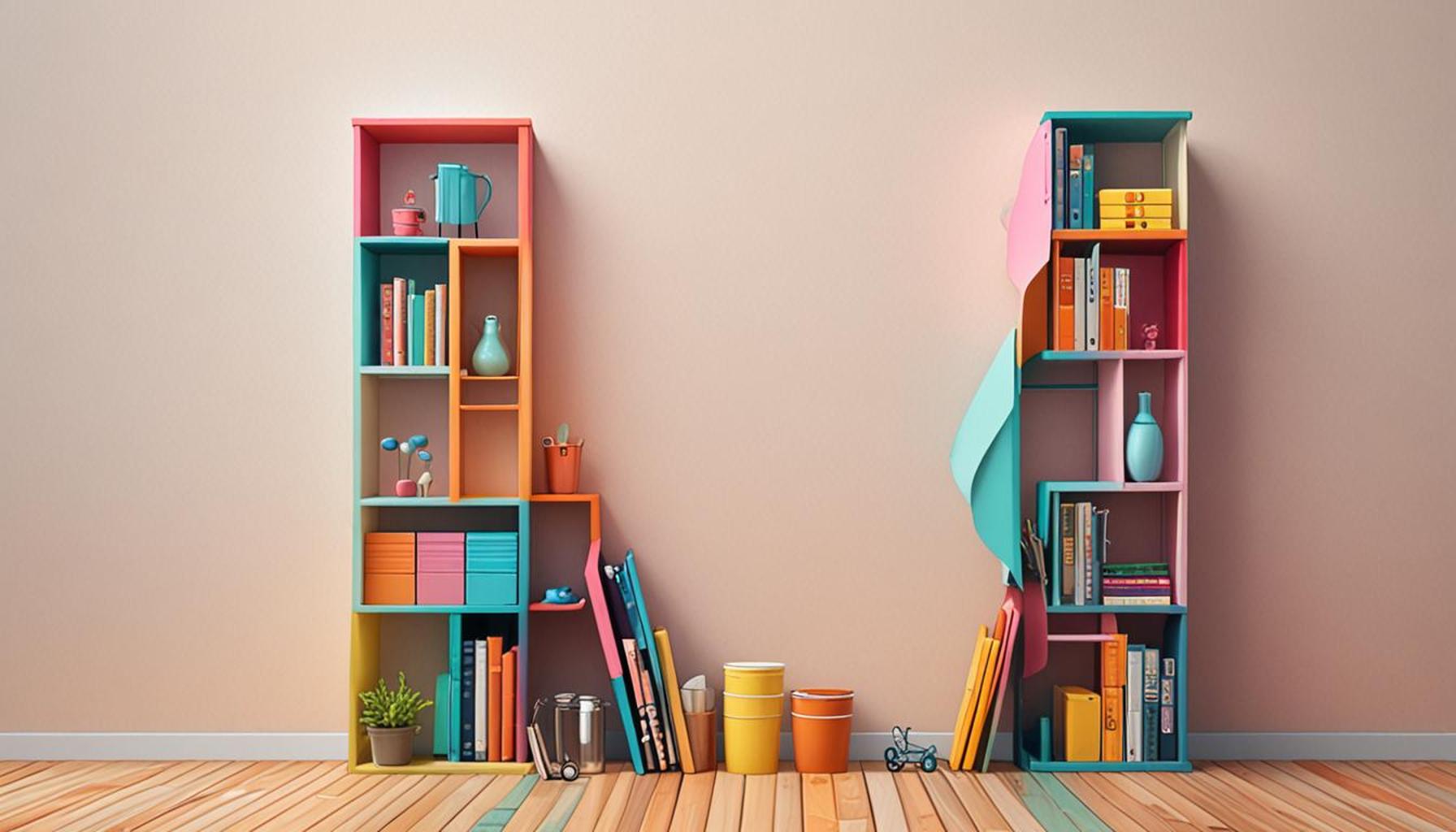
One of the most fascinating advancements in this realm is the rise of smart shelving units. These innovative furniture pieces are no longer mere static structures; they can morph according to specific needs. With the push of a button, shelves can shift their height or reconfigure their layout, accommodating everything from books to decorative items seamlessly. For instance, a user can program the shelving unit to expand vertically when displaying taller items, which can significantly enhance the visual appeal of any room while maximizing the available space.
Similarly, the concept of automated closets is reshaping how we store our clothing and accessories. Imagine a closet equipped with motion sensors and an accompanying app that catalogues your wardrobe. This technology can suggest optimal configurations based on what you own and even highlight pieces that remain unworn for an extended period. Such efficiency not only streamlines daily routines but also promotes conscious consumerism by reminding individuals of their existing items, encouraging them to buy less and wear more.
Furthermore, apps for inventory management are gaining popularity, transforming how we manage our possessions. With the help of smartphones, users can easily catalog their belongings, ensuring everything has a designated place. For example, a family moving into a new home can utilize these apps to visually map out storage compartments, making the unpacking process less chaotic. Additionally, tracking items digitally can prevent unnecessary purchases and promote a more organized space.
The integration of these technologies contributes significantly beyond mere convenience; it instigates a fundamental shift in how we approach organization in our homes. By embracing automation, individuals can enhance their minimalist environments, creating spaces that are not only aesthetically pleasing but also functionally efficient. As we explore the future of home automation, the limitless possibilities for optimizing living spaces promise to captivate those eager for change.
DIVE DEEPER: Click here to discover more strategies
Smart Solutions for Space Optimization
In the pursuit of minimalist living, space optimization is key, and automation technology provides an array of smart solutions that can dramatically elevate how we manage and acknowledge our spaces. One noteworthy innovation is the introduction of automated storage systems that utilize intelligent algorithms and sensors to reorganize belongings at the touch of a button. These systems can assess space requirements based on real-time usage and adjust accordingly, allowing homeowners to maximize their square footage without compromising aesthetics.
An excellent example of this technology is the deployment of robotic storage units, which can move up and down or side to side, effectively transforming small areas into functional storage hubs. In a home with limited closet space, imagine a robotic unit that extends out of a wall, retrieving items as needed, thus simplifying day-to-day access to belongings without the visual burden of traditional storage. By incorporating these advanced systems, minimalist homeowners can embrace style and functionality, proving that even a modest amount of space can be optimized with foresight and innovation.
Enhancing Efficiency with Smart Devices
Automation doesn’t stop at physical storage solutions; it extends into smart devices that streamline storage management through digital organization. Applications designed for smart home integration allow users to control and monitor their storage environments with incredible precision. For example, IoT-enabled containers and bins can track inventory through barcode scanning, alerting users when stock is low or when items are nearing expiration dates. This informs purchasing decisions and minimizes waste, allowing homeowners to maintain a clutter-free environment.
Moreover, those adopting minimalist lifestyles can significantly benefit from voice-controlled technology. Smart assistants can manage reminders for seasonal storage, suggesting when to pack away off-season clothing or holiday decorations, thereby keeping living areas tidy. Homeowners can also utilize voice commands to search through their cataloged belongings, making it simpler to find items in storage without unnecessary disruption. This element of interactivity and seamless accessibility is an important step toward achieving an effortlessly organized home.
Transformative Benefits of Automated Technology
Choosing to integrate automation technology into the organizational dynamics of a minimalist home presents multiple benefits:
- Improved Space Utilization: Automated systems can adapt to changing needs, optimizing storage solutions.
- Enhanced Accessibility: Smart solutions allow quick access to items, minimizing the time spent searching through clutter.
- Encouragement of Minimalism: Technology can help users take inventory of their belongings, encouraging more thoughtful consumption habits.
- Effortless Maintenance: Automated systems and smart devices significantly reduce the daily effort involved in maintaining organization.
As the landscape of automation technology continues to expand, it is crucial to explore how these advancements can seamlessly blend with minimalism, allowing for a comprehensive rethinking of our living spaces. By discovering new ways to optimize storage, homeowners can reclaim their homes as peaceful, clutter-free sanctuaries.
How Automation Technology Transforms Storage Solutions
As minimalism takes center stage in modern living, automation technology is stepping in to refine organizational practices that cater to both utility and aesthetics. The intersection of these two philosophies not only maximizes space but also enhances daily functionality in homes.
Enhanced Space Utilization
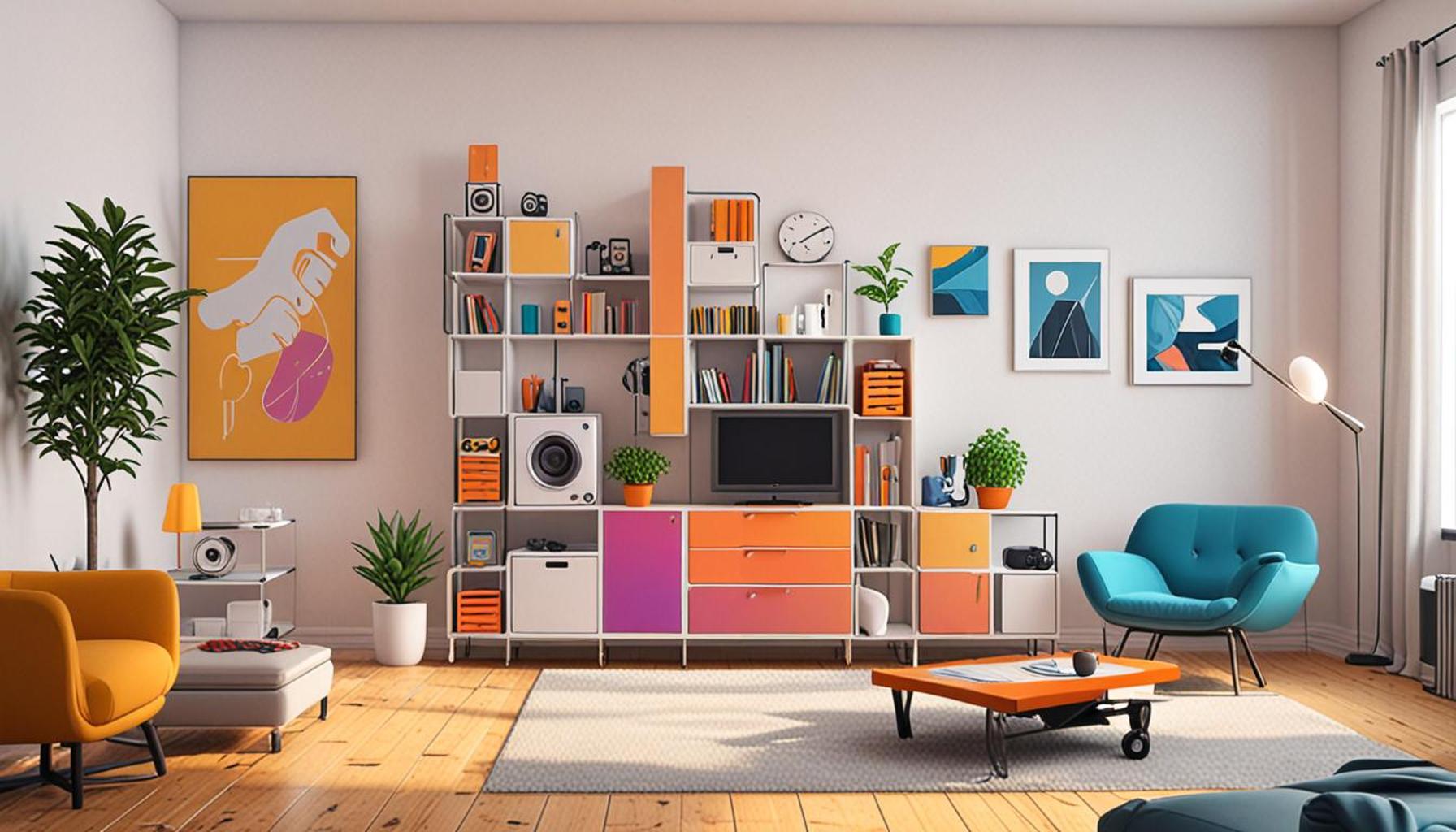
Traditionally challenged by clutter and space constraints, minimalist homes greatly benefit from innovations such as smart shelving systems. These solutions adjust according to user preferences and needs, allowing homeowners to optimize their space allocation. Automated drawers and cabinets with sensors can retract or expand automatically, ensuring that no inch of space goes underutilized. This creates a seamless integration of functionality and design.
Streamlined Inventory Management
Imagine a home where the technology tracks your household items, notifying you when supplies are low or reminding you of where items are stored. With smart inventory management systems, homeowners can keep track of their belongings without the time-consuming task of manual organization. Devices connected through IoT (Internet of Things) can assist in managing storage efficiently, minimizing the physical footprint of storage while maximizing accessibility.
Personalized Living Spaces
Automation allows for a remarkable degree of personalization. Homeowners can create micro-environments—like adaptable home offices or temporary guest areas—by transforming spaces at a moment’s notice. Smart home solutions can adjust lighting and temperature settings based on activity or mood, making minimalist homes both functional and inviting, effortlessly catering to different needs at different times.Overall, these innovations signify a shift in how we perceive storage in our living spaces, making automation not just an added benefit but a vital component of modern minimalist architecture. Continue exploring how these technologies redefine daily experiences and elevate home organization.
| Category 1 | Category 2 |
|---|---|
| Smart Shelving Systems | Allow automatic adjustments for optimal space usage |
| Inventory Management | Tracks household items and alerts when supplies are low |
DISCOVER MORE: Click here to learn how to embrace mindful simplicity
Streamlining Transitions: Dynamic Storage Solutions
As minimalist homeowners pursue a lifestyle defined by simplicity and intentionality, the need for dynamic storage solutions becomes undeniable. Automation technology not only allows for efficient storage management but also offers the flexibility to adapt to an ever-evolving living space. One exemplary innovation in this realm is the use of modular smart furniture, which can transform from functional pieces into clever storage solutions. A prime example is a sofa that hides storage compartments for blankets and books, allowing homeowners to maintain an uncluttered décor while enjoying the comfort and functionality of their furnishings.
Moreover, smart shelves equipped with weight sensors can provide information on the status of each shelf’s contents. This means homeowners can monitor what is being used, pinpoint which items are rarely accessed, and make informed decisions about what to keep and what to donate or discard. Such systems can also automatically suggest optimal storage arrangements based on usage patterns, optimizing both space and time.
Eco-Friendly Automation and Sustainability
Automation technology is also paving the way for an eco-conscious approach to storage, merging functionality with sustainability. Smart systems that prioritize energy efficiency not only reduce the homeowner’s carbon footprint but also promote an environmentally friendly lifestyle. For instance, solar-powered storage solutions can be utilized to maintain climate-controlled environments for items requiring specific conditions, such as wine or artwork. These systems monitor both temperature and humidity levels and adjust settings as needed, thus preserving valuable belongings while utilizing renewable energy sources.
Furthermore, the growing demand for sustainable living has led to innovations in recyclable materials used for storage solutions. Companies are increasingly creating biodegradable storage containers that won’t contribute to landfill waste. This holistic approach ensures that minimalism aligns not just with reduced clutter but also with eco-friendly practices. Homeowners can feel good about their storage solutions that are both functional and contribute to the health of the planet.
Personalization: Tailored Storage Experiences
Another remarkable aspect of automation technology in minimalist homes is the level of personalization it affords. Through AI-driven applications, users can create a customized inventory system that caters to their lifestyle and preferences. For instance, those with unique hobbies—like photography or crafting—can employ automated storage that is designed specifically for their tools and supplies, ensuring everything has its designated place while remaining accessible.
These intelligent systems can reflect an individual’s tastes, allowing for beautiful storage solutions that become integral to the décor rather than hidden away out of sight. Trends such as augmented reality (AR) apps enable users to visualize storage in various configurations before investing in physical units, ensuring the best possible fit for their aesthetic and functional needs. By bridging technology and personal expression, homeowners can craft harmonious living environments that resonate with their minimalist principles.
As automation technology evolves, its potential to refine and redefine storage strategies in minimalist homes continues to expand. With dynamic solutions that prioritize adaptability, sustainability, and personalization, home storage no longer needs to be a compromise in the journey toward simplicity.
DISCOVER: Click here to unlock transformative decluttering techniques
Conclusion: Embracing the Future of Smart Storage
As we delve into the possibilities that automation technology offers for transforming storage solutions in minimalist homes, it is clear that this innovation is not merely a trend but a pivotal shift in how we approach living spaces. The integration of modular smart furniture, eco-friendly systems, and personalized storage solutions showcases a profound evolution of conventional storage methods, aligning perfectly with the minimalist ethos of simplicity and intentionality.
Homeowners are now empowered to maintain a curated aesthetic while utilizing advanced tools to monitor and manage their belongings efficiently. This not only alleviates the stress of clutter but also fosters a sustainable lifestyle by emphasizing energy-efficient and recyclable materials. As homeowners adopt these smart solutions, they contribute to a larger movement prioritizing environmental consciousness, proving that functionality can coexist beautifully with sustainability.
Furthermore, the use of AI-driven applications and augmented reality for customizing storage systems allows individuals to create unique, adaptable environments tailored to their specific needs and tastes. This interplay of technology and personal expression signifies a promising future, where living spaces can reflect individual identities without compromising on order or functionality.
In conclusion, the synergy of automation technology and minimalist living not only streamlines daily life but also presents an opportunity for innovation in our homes. As the landscape of storage solutions continues to evolve, embracing these smart technologies will undoubtedly lead to a more organized, sustainable, and aesthetically pleasing way of living. By staying informed and exploring these evolving technologies, homeowners can redefine their relationship with their living spaces and create an environment that truly resonates with their minimalist lifestyle.