Mindful Simplicity Personal Organization for Clarity and Calm Spaces
Introduction
In our fast-paced world, the quest for clarity and tranquility often feels elusive. As minimalism gains traction, individuals seek methods to pare down their lives, focusing on what truly matters. One effective approach is embracing mindful simplicity in personal organization, a practice that fosters well-being by creating serene environments.
This philosophy encourages us to reflect on our belongings and surroundings, aiming to reduce clutter both physically and mentally. By simplifying our spaces, we allow room for introspection, ultimately promoting calmness and enhancing productivity. With this guide, you will explore the top 5 essentials that contribute to mindful simplicity in personal organization.
- Purposeful Decluttering: Understanding what you truly need.
- Functional Spaces: Designing areas that serve their purpose.
- Intentional Decor: Choosing items that inspire calmness.
- Routine Maintenance: Establishing habits for ongoing clarity.
- Mindfulness Practices: Incorporating daily reflections.
Dive into these elements to uncover how mindful simplicity can transform your spaces, bringing forth a newfound sense of clarity and calm.
Top 5 Mindful Simplicity Practices in Personal Organization: Creating Spaces that Reflect Clarity and Calm
In today’s rapidly paced world, distractions and clutter are more prolific than ever. This reality makes it crucial to intentionally cultivate an environment that promotes both peace and productivity. Embracing mindful simplicity in personal organization empowers individuals to enhance their focus and tranquility amidst the chaos of daily life. Below, we delve into the top five strategies to create spaces that exude clarity and calm.
5. Decluttering with Intention
The journey toward mindful simplicity begins with decluttering, a practice that extends beyond mere tidiness. Decluttering with intention involves a thoughtful, introspective approach that requires individuals to ask, “Does this item serve a purpose or bring me joy?” This critical inquiry fosters a deeper connection with one’s belongings, transforming the decluttering process into an exercise of personal values and essentials.
- Evaluate each item: Begin by examining the functionality and emotional significance of every belonging. A cherished photo, for instance, has sentimental value, while a functional desk lamp serves a practical need.
- Start small: Avoid overwhelming yourself by tackling one area at a time. A suitable starting point could be a cluttered kitchen drawer, which, when organized, can reduce daily stress.
- Establish a “keep” criteria: Develop clear guidelines for what to retain. Perhaps an item must be used at least monthly or evoke positive emotions to earn a place in your life.
Embracing this thoughtful decluttering process lays the foundation for a space that reflects clarity. It allows the mind to breathe and focus solely on what truly matters, making room for growth and productivity.
4. Mindful Design Choices
The design of a space significantly influences its atmosphere and the emotions it evokes. Mindful design choices involve selecting colors, materials, and furniture that foster peace and clarity. Choosing a minimalistic aesthetic helps avoid overwhelming visual stimulation, which can otherwise divert focus and increase stress levels.
- Select soothing colors: Choose colors that naturally evoke tranquility, such as soft blues, gentle greens, and neutrals. For instance, painting a bedroom wall light blue can promote relaxation and restful sleep.
- Choose natural materials: Incorporate materials like wood, cotton, and stone, which bring a touch of nature indoors and create a serene atmosphere. A wooden coffee table paired with cotton textiles can enhance the coziness of a living space.
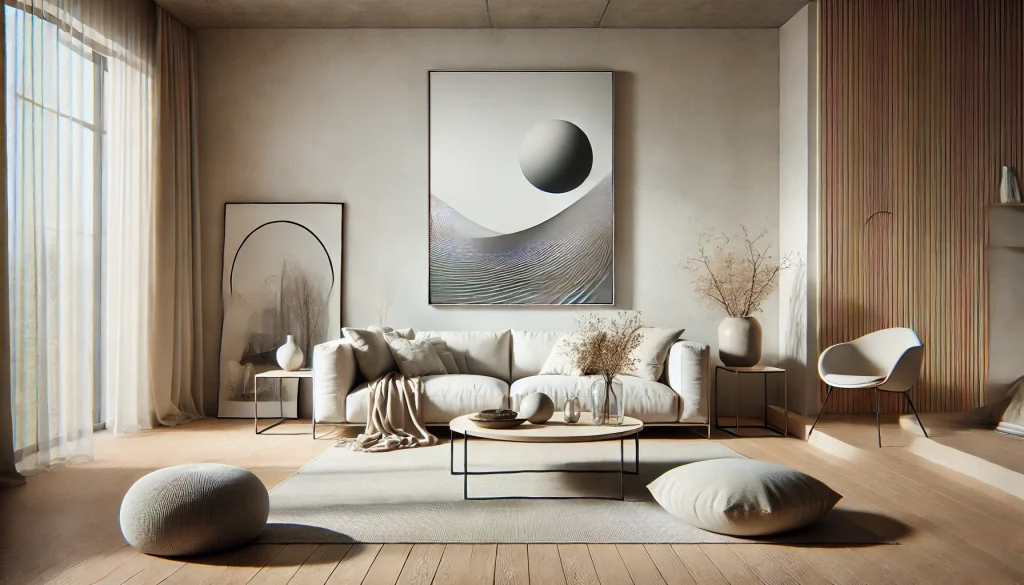
- Avoid cluttered layouts: Maintain open spaces that encourage movement and calm the mind. For example, a minimalist living room layout facilitates ease of movement, reducing the potential for stress.
Through intentional design, your environment can become a sanctuary of peace, enabling you to remain centered and focused on your tasks, thereby enhancing daily productivity and well-being.
3. Establishing Functional Zones
Creating functional zones within your space enhances both organization and clarity. Designating specific areas for distinct activities—such as work, relaxation, and creativity—promotes a fluid transition between tasks, leading to a structured environment that supports mindfulness and efficiency.
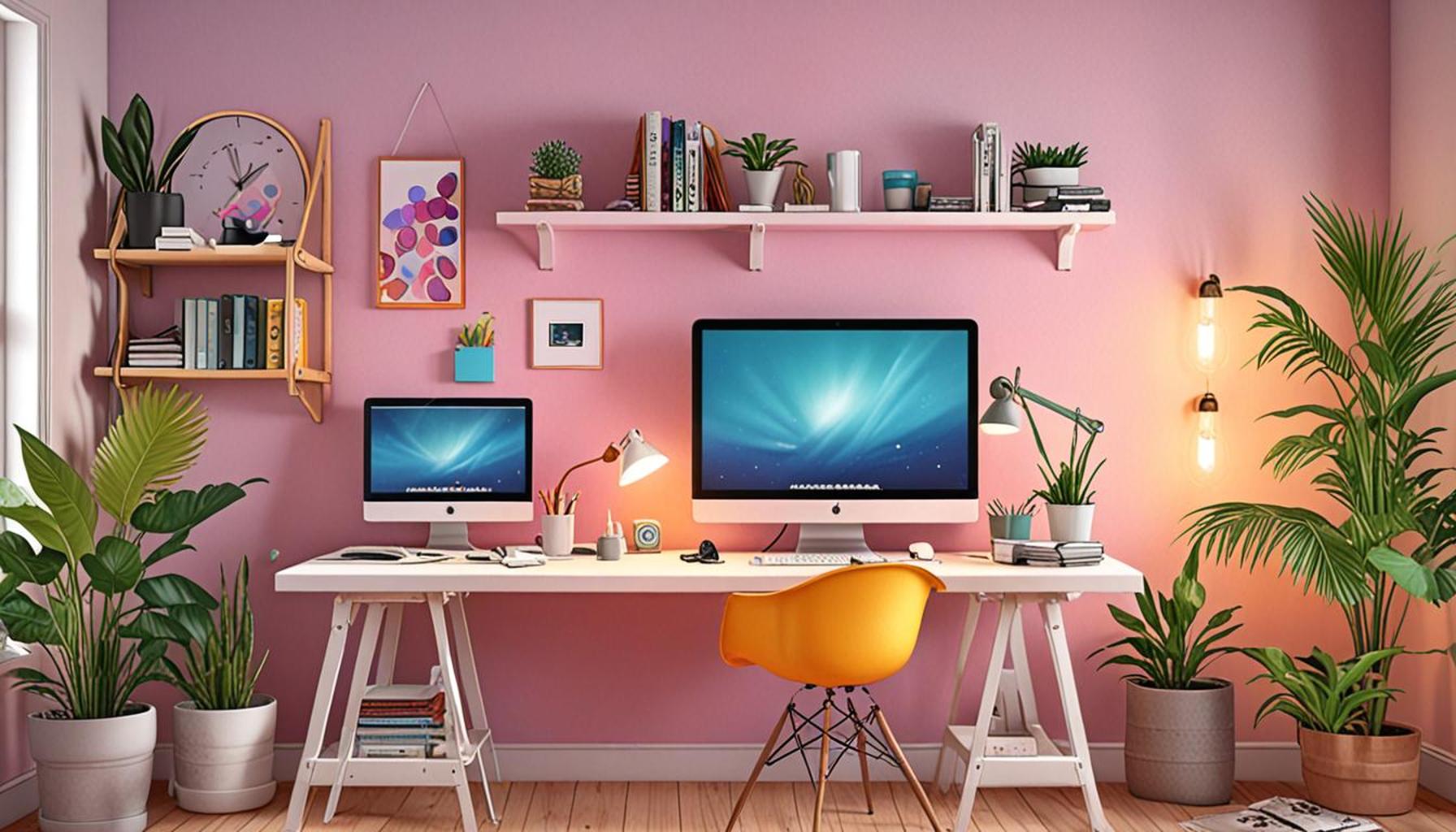
- Work zone: Equip this area with only essential items to maintain focus. A minimalist home office setup might include a desk, a chair, a laptop, and essential stationery.
- Relaxation zone: Create a comfortable, clutter-free area for relaxation, such as a reading nook with a cozy chair and a small bookshelf.
- Creativity zone: Organize materials that inspire creativity but avoid excess to prevent distraction. For example, an art space with neatly arranged paints and canvases encourages artistic exploration without chaos.
This zoning strategy simplifies daily routines, allowing for smooth transitions between activities and fostering greater clarity and calm in daily life. It breaks the day into purposeful segments, reducing the time spent on non-essential activities and optimizing focus.
2. Embracing Mindful Routines
Incorporating mindful routines into daily life can dramatically enhance personal organization. These routines help to cultivate intentional habits that support goals for simplicity and clarity.
- Morning rituals: Start each day with mindfulness practices such as meditation or journaling. This sets a positive tone and focuses the mind for the tasks ahead.
- Scheduled decluttering: Allocate regular times for maintaining organization, preventing overwhelming chaos from accumulating. This could mean a 15-minute nightly tidy-up session.
- Evening reflections: Spend time reflecting on what worked during the day and identify areas for improvement. This practice reinforces effective habits and discourages counterproductive ones.
These structured routines provide a framework that encourages purpose-driven living and enhances the ability to stay organized, fostering a peaceful mindset amidst everyday challenges.
1. Intentional Mindset Shift
The most transformative aspect of mindful simplicity in personal organization is adopting an intentional mindset. This change in perspective allows individuals to prioritize clarity over chaos, promoting a lifestyle filled with calm and focus.
- Set clear intentions: Begin each day by prioritizing tasks that align with your values and goals, whether personal or professional.
- Practice gratitude: Regularly reflect on what brings joy and clarity, reinforcing positive habits. Keep a gratitude journal to document these moments and revisit them when needed.
- Stay present: Cultivate mindfulness in every activity, whether organizing or simply relaxing. Being present during activities, like savoring a meal or engaging in a hobby, enriches the experience.
By nurturing an intentional mindset, you lay the groundwork for a life characterized by clarity and calm. This fundamental adjustment supports a journey toward mindful simplicity, where the aim is progress rather than perfection. The ultimate goal is to create spaces that authentically resonate with your personal values, leading to a more fulfilling and organized life.
In conclusion, adopting mindful simplicity can transform personal organization, creating an environment conducive to clarity and tranquility amidst the chaos of modern living. By integrating these practices, we pave the way for a more meaningful existence, where peace and productivity coexist harmoniously.
| Category | Details |
|---|---|
| Clarity in Design | Utilizing a minimalist approach in interior design allows for an environment that enhances focus and productivity. By reducing clutter, individuals can create spaces that promote a calm mind and foster well-being. |
| Stress Reduction | A well-organized space contributes to decreased anxiety levels. When surroundings are harmonious, it reflects positively on personal mental health, encouraging a peaceful atmosphere conducive to relaxation and creative thinking. |
| Intentional Living | Adopting minimalism encourages individuals to reflect on what truly matters. Choosing to keep only objects that serve a specific purpose or bring happiness can lead to a more fulfilling lifestyle, aligning personal values with everyday choices. |
| Functional Spaces | Creating areas within the home that are both practical and inviting caters to various activities—whether working, relaxing, or engaging socially, it encourages functionality while still maintaining a sense of serenity and peace. |
Frequently Asked Questions on Mindful Simplicity in Personal Organization
What is mindful simplicity in the context of personal organization?
Mindful simplicity refers to the intentional focus on simplifying one’s environment and practices to promote mental clarity and peace. This approach encourages eliminating unnecessary items and distractions, allowing for a space that is not only tidy but also nurturing. By streamlining both your physical surroundings and daily routine, mindful simplicity seeks to cultivate an environment that enhances well-being and mindfulness.
How can creating a clutter-free space impact mental clarity and calmness?
A clutter-free space is often linked to a clutter-free mind. When the environment is free from chaos, it can lead to reduced stress levels and improved focus. This is because our brains can process less information when distractions are minimized. A clean, orderly space gives you the freedom to concentrate on more meaningful tasks, enhancing overall mental clarity and calmness. Studies have shown that visually appealing and organized spaces can also boost creativity and productivity.
Are there specific strategies to achieve mindful simplicity at home or work?
Yes, numerous strategies can help achieve mindful simplicity. Start by decluttering, prioritizing items that genuinely serve a purpose or bring joy. Implement systems for storage and organization that are easy to maintain. Practice mindfulness techniques, such as deep breathing and meditation, to remain centered in your environment. Additionally, adopting a less-is-more approach by evaluating purchases and responsibilities ensures that your spaces and schedules are not overwhelmed by excess.
What are the benefits of living a mindful simplicity lifestyle?
The benefits are extensive and impactful. A unified approach that embraces mindful simplicity can lead to enhanced life satisfaction, increased attention span, and a deeper appreciation for the present moment. This lifestyle promotes sustainable living by encouraging thoughtful consumption and longevity of possessions. It also fosters emotional well-being by reducing anxiety and promoting a sense of accomplishment and balance in life.
How can mindfulness practices integrate with personal organization to foster clarity?
Mindfulness practices, such as meditation and conscious breathing, can complement personal organization by fostering awareness and intentionality in everyday actions. When practiced together, mindfulness and organization encourage a deeper connection with your environment, leading to more thoughtful decision-making and prioritizing tasks that align with personal values. By integrating these practices, individuals can achieve a harmonious state of mental and physical organization, resulting in genuine clarity and calmness.
Conclusion
In today’s fast-paced world, the concept of mindful simplicity has emerged as a beacon for those seeking harmony and balance in their personal organization. This approach encourages individuals to declutter both physical and mental spaces, allowing them to create environments that inherently reflect clarity and calm. By embracing minimalism in personal spaces, one is able to focus on what truly matters, eliminating unnecessary distractions and dedicating energy to more fulfilling pursuits.
The main takeaways from exploring mindful simplicity include acknowledging the impact of decluttering on mental well-being, recognizing the importance of intentional choices in items we choose to keep, and understanding the value in creating spaces that are both functional and aesthetically pleasing. Critical to this process is reducing overstimulation, a common plight in our overly materialistic culture. By curating a collection of only essential items, individuals can ensure their environment promotes peace rather than chaos.
Moreover, mindful simplicity is not just about removing items but is a holistic process that examines one’s lifestyle. It involves reassessing priorities, reevaluating habits, and ultimately seeking a more focused existence. This mindful approach promotes not just an organized space, but an organized life, fostering a state of serenity and focus that extends beyond the confines of one’s home.
In summary, embracing mindful simplicity within personal spaces allows the creation of a sanctuary that resonates with tranquility and purpose. As minimalism continues to rise as a lifestyle choice, its beneficial impact on mental health and personal satisfaction is becoming increasingly evident. For those on this journey, the commitment to clarity and calm begins with one mindful decision at a time, leading to a life of enhanced fulfillment and reduced stress.