Streamlined Living for Families: How to Simplify Life at Home with Children
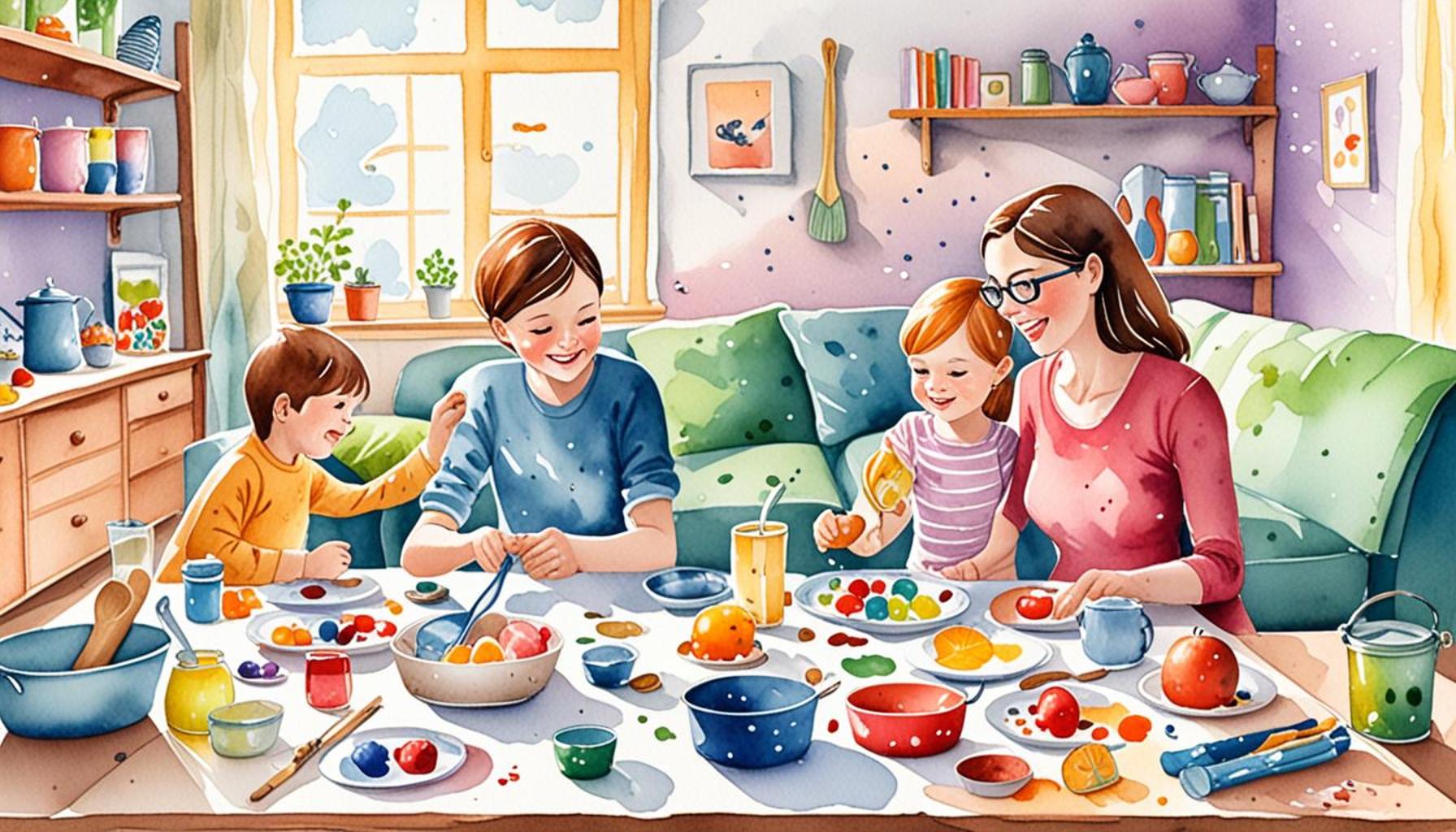
Embracing a Simple Life
In the whirlwind of family life, it can often feel overwhelming to maintain order and harmony at home. Parents are constantly juggling work, school schedules, and household duties while trying to create a nurturing environment for their children. Thankfully, streamlined living offers a refreshing approach to reclaiming simplicity amidst this chaos.
Adopting simplicity does not mean sacrificing quality of life; instead, it enables families to focus on what truly matters. Implementing strategies that enhance daily routines and foster a sense of tranquility can aid in this journey. Here are some practical ideas to kickstart your transition towards a simpler lifestyle:
- Declutter regularly: An organized space can lead to a peaceful mind. This could involve a weekly or monthly ritual of going through belongings to decide what stays and what goes. Consider hosting a family garage sale or donating items to local charities, which not only clears out unwanted clutter but also teaches children the value of giving back.
- Establish routines: Predictability can ease stress for both parents and children. Routines create a rhythm to daily life, providing children with a sense of security. For instance, setting specific times for homework, family meals, and bedtime can significantly reduce anxiety and behavioral issues, allowing families to bond over shared activities.
- Involve the kids: Teaching responsibility can create a sense of teamwork. Allowing children to participate in chores and decision-making fosters independence. Simple tasks like sorting laundry or setting the table can enhance their life skills while empowering them to contribute to family life.
Research indicates that over 60% of American families feel they live in a chaotic environment. This state of turmoil not only affects productivity but can also impact the emotional and physical well-being of children. A recent study noted that homes categorized as cluttered can lead to increased levels of stress and distraction, hindering both children’s focus and parental peace of mind.
By adopting a streamlined approach, you’ll discover that simplicity doesn’t have to be a luxury – it can be a lifestyle. Explore effective tips and time-saving hacks that allow families to enjoy more meaningful moments together. Embracing simplicity can pave the way for deeper connections and a more fulfilling family life.
As you embark on this journey, remember that each family’s path to simplicity is unique. Whether through minimalism, effective time management, or a focus on shared experiences, the goal remains the same: a loving and harmonious home where every member thrives.
DON’T MISS: Click here to streamline your digital organization
Creating Harmony in Family Life
To achieve a streamlined living environment, it’s essential to identify the areas where families often find themselves tangled in complexity. With the many roles parents play—from caregivers to role models—implementing simple changes can lead to significant improvements in overall family dynamics. Here are a few key strategies to simplify life at home, each designed to cultivate harmony and connection:
- Prioritize Family Time: In today’s fast-paced world, it’s easy to let quality time slip through the cracks. Designating a family night each week can help reclaim this essential element of family life. Activities such as game nights, movie marathons, or cooking meals together can strengthen family bonds while providing a cherished routine that everyone looks forward to.
- Simplify Meal Planning: Preparing meals for a family often becomes a daunting task, especially when multiple schedules clash. Consider developing a weekly meal plan and involving the kids in the process. Not only does this reduce the stress of daily “what’s for dinner?” questions, but it also offers an excellent opportunity to teach children about nutrition and planning. You can batch-cook meals on weekends and freeze portions for busy weeknights, creating a system that saves both time and effort.
- Optimize Spaces: Evaluating how your home is utilized can lead to drastic improvements in daily efficiency. Designate specific areas for key activities, such as homework, play, and relaxation. Having these “zones” can minimize distractions and help children understand the importance of a designated space for focus or fun. This approach allows everyone to know where to find things and reduces the constant search for lost items, which can contribute to a stressful atmosphere.
According to research conducted by the American Psychological Association, clutter can lead to heightened stress levels, particularly among children. In homes where organization is intentionally prioritized, families report feeling calmer and more in control, allowing for better emotional regulation among both parents and children. Creating a peaceful home environment can significantly impact the well-being of every family member.
Remember, the essence of streamlined living lies not just in decluttering but in creating an intentional lifestyle that brings joy and ease to daily routines. Begin by evaluating which strategies resonate most with your family and taking small steps to incorporate them into your life. As each member participates in this journey, the reward is a rewarding, supportive atmosphere that allows your family’s unique rhythm to shine.
Exploring Simplified Routines for Family Life
When it comes to raising children, maintaining structure in daily routines is essential. Children thrive in environments where they know what to expect, helping to minimize anxiety and promote positive behavior. Establishing a clear daily schedule not only benefits kids; it also frees up valuable time for parents. This can include organizing timed blocks for meals, study periods, and playtime. Consider implementing a family calendar visible to everyone in the house to keep track of events and commitments, creating a united front and enhancing accountability.
Effective Organization through Decluttering
One of the most significant challenges families face is clutter. A disorganized home can lead to stress and wasted time looking for misplaced items. To combat this, consider monthly decluttering sessions where the entire family participates. Encourage children to decide what toys or clothes they no longer use. This not only teaches them the value of minimalism but also fosters a sense of responsibility and ownership. Another practical tip is to utilize storage solutions that make it easier to keep things tidy. Clear bins for toys labeled with pictures cater to young children who cannot read yet, making cleanup a fun activity instead of a chore.
| Category 1 | Category 2 |
|---|---|
| Routine Management | Establishes stability and predictability in daily life. |
| Decluttering | Fosters organization and reduces stress, enhancing family dynamics. |
The emphasis on organization can extend to digital spaces as well. Regularly organizing digital family calendars and reducing screen time spent navigating complicated apps can help promote a less chaotic atmosphere. Consider setting specific tech-free hours to ensure that quality family time takes precedence. This not only helps in structuring important family activities but also teaches children to engage with the world around them without screens. The balance of structured routines, minimalism, and effective organization can lead to a more streamlined lifestyle for families, paving the way for richer, more meaningful interactions.
DISCOVER MORE: Click here
Building a Routine That Works
Another cornerstone of streamlined living is establishing a routine that provides structure while allowing for flexibility. Children thrive on predictability, and routines can help minimize chaos by creating an environment where they know what to expect. Here are some practical tips for building a routine that supports your family’s lifestyle:
- Establish Morning and Evening Routines: Mornings can often feel rushed, leading to a frantic start to the day. Creating a consistent morning routine can ease stress and promote punctuality. Consider clustering tasks that need to be done—like breakfast, packing lunches, and getting dressed—into a sequence. Similarly, an evening routine can help transition kids to bedtime, fostering good sleep habits. Read bedtime stories, limit screen time, and encourage calmer activities to ensure a peaceful night’s rest.
- Utilize Visual Schedules: Visual schedules are excellent tools for helping children understand their daily responsibilities. Creating a colorful chart that outlines the day’s events—from school drop-off to extracurricular activities or chores—can give kids ownership over their time. Involving them in the creation of this schedule can foster a sense of responsibility and accountability, motivating them to adhere to it.
- Incorporate Downtime: While schedules are important, it’s equally vital to carve out time for relaxation and play. Children today are often over-scheduled, which can lead to burnout and stress. Ensure that your family’s routine includes periods of downtime that allow for unstructured play, reflective activities, or simply enjoying nature. This balance will contribute to their mental and emotional well-being.
In addition to routines, technology can serve as an ally in streamlining family organization. Many families are turning to apps designed for family management, budgeting, and meal planning, enabling everyone to stay connected and informed about activities and responsibilities. These tools can also assist with creating family shopping lists, delegating tasks, and even tracking screen time, offering convenient solutions for busy households.
Encouraging Independence and Responsibility
Another significant aspect of simplifying life at home involves teaching children about independence and responsibility. Empowering children to take ownership of their tasks and chores not only lessens the burden on parents but also helps cultivate essential life skills. Consider these approaches:
- Age-Appropriate Chores: Depending on their age, children can participate in age-appropriate chores that contribute to household functioning. This could range from tidying up toys for younger children to helping with laundry or cooking simple meals for older kids. By assigning responsibilities, children learn that their contributions matter and can instill a sense of accomplishment.
- Encourage Decision-Making: Give children opportunities to make choices in their daily lives. Allow them to select their outfits for the day or choose the family dinner menu (within healthy options). This helps build confidence and assertiveness while reinforcing the idea that their opinions are valued.
- Model Accountability: Lastly, modeling responsible behavior as a parent is critical. When children witness you managing your own responsibilities and owning up to mistakes, they are more likely to emulate this behavior. Sharing your own goal-setting experiences with them can reinforce the understanding that it’s okay to challenge oneself and learn from failures.
By integrating routines that work for your family’s unique dynamics and encouraging independence, streamlined living becomes more than just an ideal; it evolves into a daily practice that enriches your lives at home. As families embrace these strategies, the resulting atmosphere fosters both personal growth and familial closeness, paving the way for a harmonious home life.
DISCOVER MORE: Click here to uncover effective time management techniques
Conclusion: Embracing Streamlined Living for Family Harmony
In today’s fast-paced world, streamlined living for families is not just a concept—it’s an essential approach to making life more manageable and enjoyable. By implementing structured routines, utilizing technology effectively, and fostering independence among children, families can transform their homes into havens of peace and productivity. The importance of establishing both morning and evening routines cannot be overstated, as they create a predictable framework that supports children’s emotional and mental well-being. Moreover, incorporating visual schedules empowers kids to take charge of their responsibilities, nurturing their sense of accountability.
But it doesn’t stop there. The push for independence through age-appropriate chores and decision-making opportunities is pivotal for personal growth. When children engage actively in family life, they not only learn valuable skills but also contribute to a sense of teamwork and connection. This collaborative spirit encourages open communication, allowing families to overcome challenges together.
As families strive for simplicity in their daily activities, it is crucial to remember that perfecting the art of streamlined living is a continuous journey. Each family is unique, and what works for one may need adjustments for another. However, by staying committed to these principles and remaining adaptable, your home can become a sanctuary where both parents and children flourish. Ultimately, the extra effort invested in simplifying life at home pays off in stronger family bonds, happier children, and a more harmonious atmosphere. Embrace these strategies and witness the remarkable transformation of your family’s daily life.