The importance of vertical storage in minimalist design
Embracing Vertical Storage in Modern Living
As urban living spaces continue to shrink, individuals are increasingly seeking ingenious solutions to maximize their environments. One of the most effective strategies emerging is vertical storage. This innovative approach encourages homeowners and renters alike to think beyond traditional horizontal storage. By utilizing vertical space, residents can transform their homes into organized sanctuaries while also enhancing their aesthetic appeal.
Maximizing Floor Space
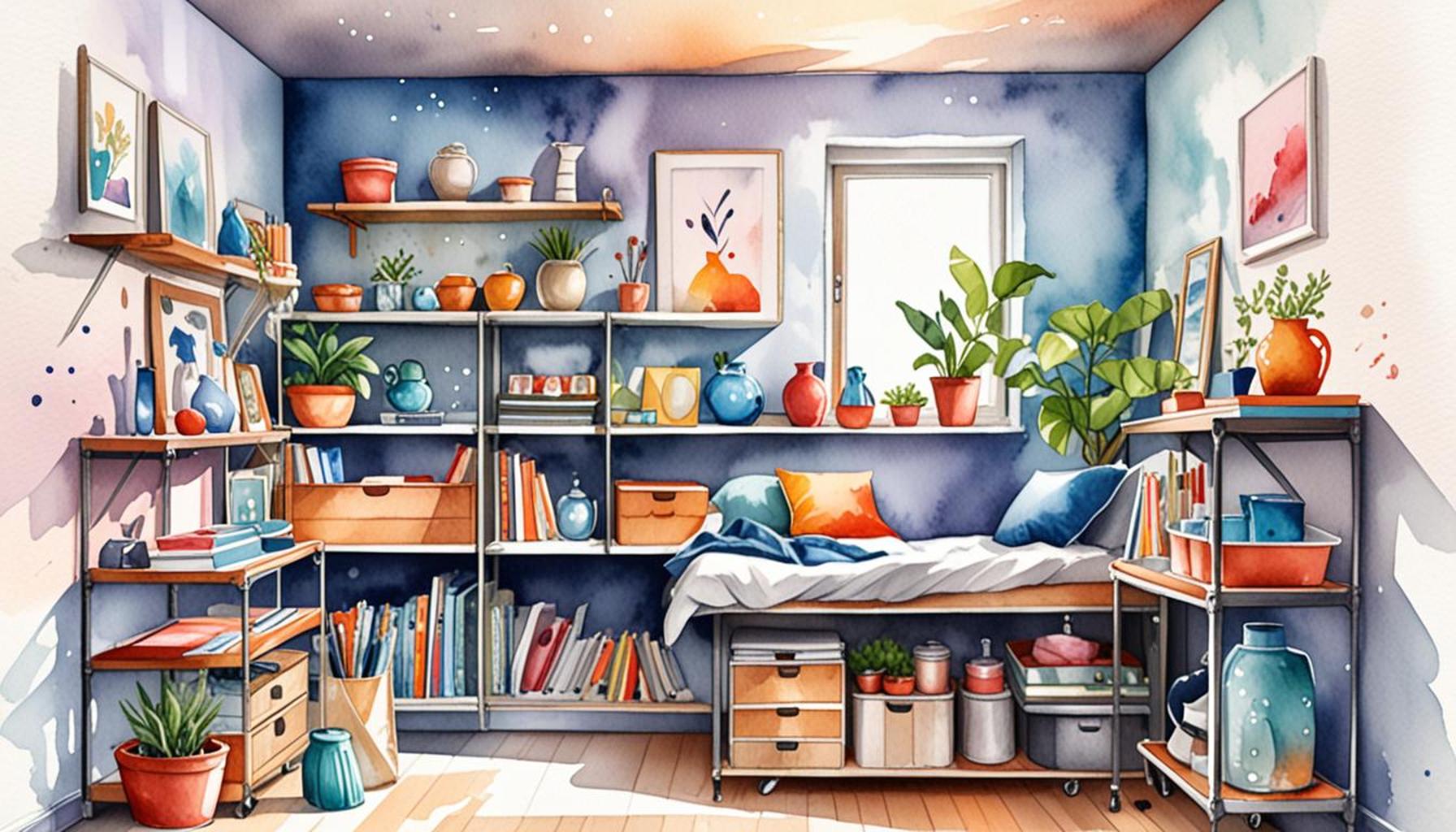
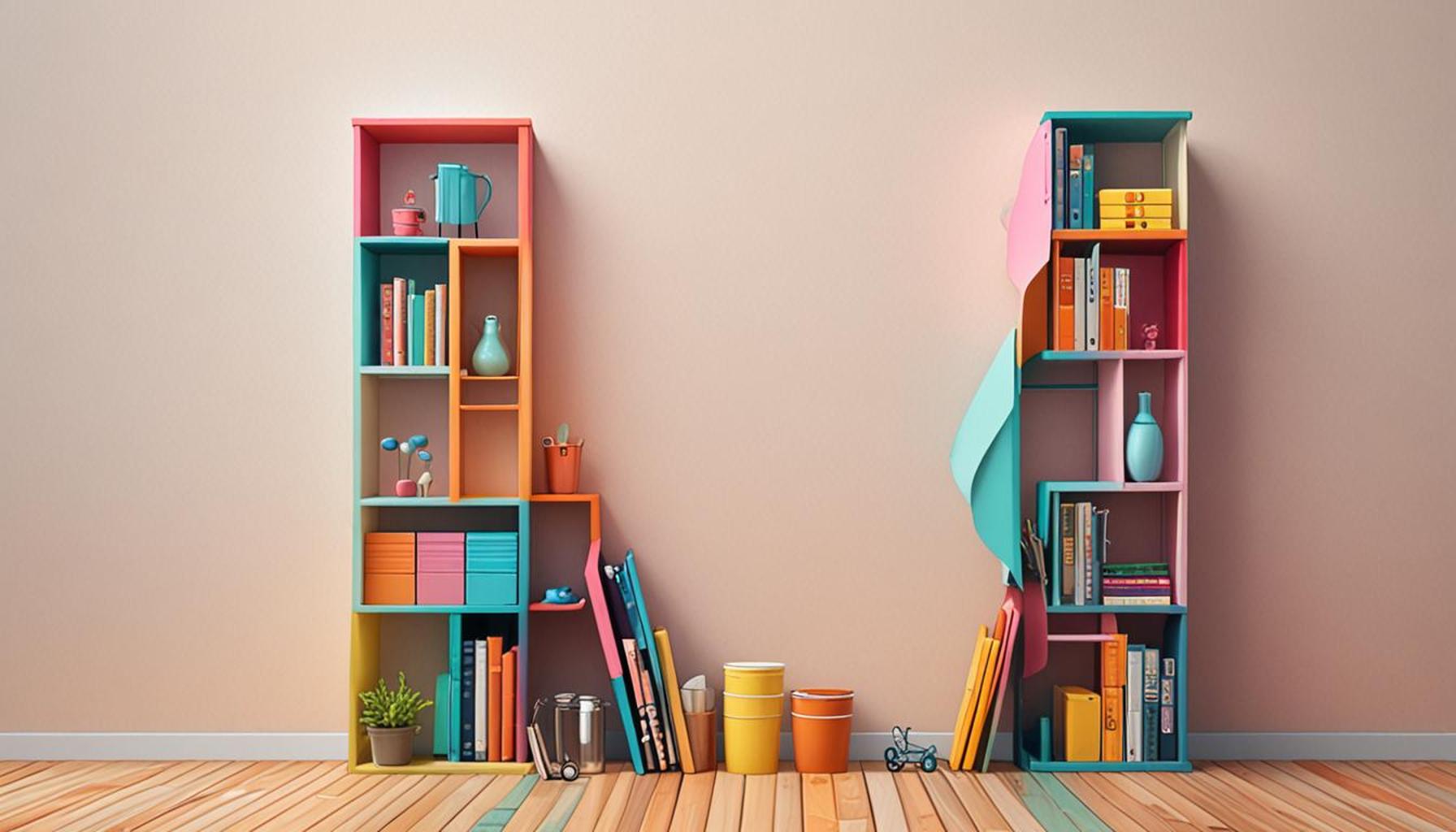
One of the primary benefits of vertical storage is its ability to maximize floor space. In small apartments or studios, floor real estate can quickly become limited, making it challenging to maintain an uncluttered environment. By opting for tall bookshelves, floor-to-ceiling cabinets, or wall-mounted units, individuals can keep essential items within reach without sacrificing valuable floor space for movement and social interactions. For example, sleek, vertical bookshelves not only house books but also showcase decorative items, art, or plants, creating an attractive focal point.
Improving Organization
Another advantage of vertical storage is its capacity to enhance organization. By using vertical systems, such as hanging racks or multi-tiered shelving, individuals can categorize and prioritize their belongings in a more systematic manner. Open shelving allows users to easily access their items, while closed cabinetry can hide away everyday clutter, maintaining a streamlined look. Using clear storage bins or labeled shelves further assists in keeping everything organized and easy to find, resulting in significantly less time spent searching for misplaced items.
Enhancing Visual Appeal
In addition to functionality, vertical storage solutions can greatly enhance visual appeal. Tall shelving and cabinetry not only make a space feel more spacious but can also contribute to a sophisticated aesthetic. Homeowners can paint these units in complementary colors, use unique materials, or incorporate integrated lighting to elevate the room’s overall design. For example, a reclaimed wood shelving unit can add warmth and character to a modern minimalist space, while glossy white cabinetry can impart a clean, contemporary feel.
Impact on Mental Well-being
The psychological benefits of adopting vertical storage methods are significant. A well-organized space can lead to reduced stress levels and improved focus, making it especially relevant in today’s chaotic environment. Studies show that clutter can exacerbate feelings of anxiety and overwhelm, while a tidy, organized home fosters a sense of peace and clarity. This connection between environment and mental health drives many to reconsider their storage solutions and a vertical approach aligns perfectly with the goals of minimalist design.
Innovative Solutions
Implementing vertical storage is not limited to store-bought solutions. DIY projects, such as creating a pallet wall or installing floating shelves, encourage creativity and personalization. There are also specialized vertical storage solutions on the market, such as pegboards, which can accommodate a variety of items—from tools in a garage to accessories in a bedroom. With countless options available, homeowners can tailor vertical storage to fit their unique needs and style preferences.
In conclusion, using vertical storage methods provides an array of benefits that extend beyond mere aesthetics. From maximizing usable space to promoting mental clarity, these strategies represent a smart, modern approach to living in a compact world. By rethinking how we approach storage, individuals can cultivate environments that reflect their lifestyle, foster organization, and enhance well-being.
DISCOVER MORE: Click here for practical tips on simplifying your life
Transforming Spaces with Vertical Solutions
As the minimalist design philosophy continues to gain traction, the importance of vertical storage in creating functional and aesthetically pleasing spaces cannot be overstated. This approach not only emphasizes the utilization of every inch within a home but also encourages an innovative mindset towards space management. By prioritizing vertical storage, individuals can effectively blend style with practicality, transforming their environments into havens of order and serenity.
Creating Functional Zones
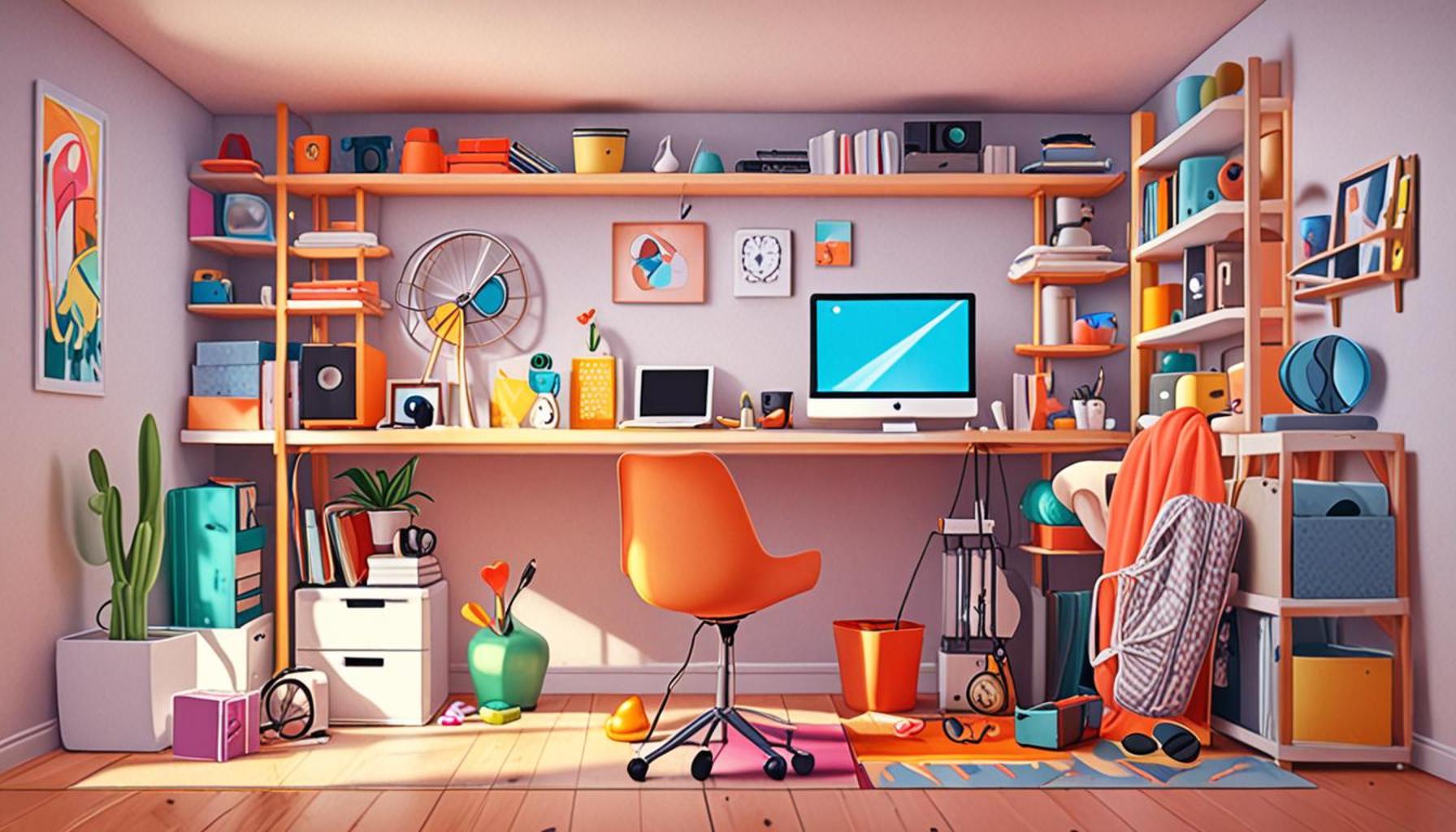
Vertical storage allows homeowners to delineate various areas within a living space while still maintaining openness. In multifunctional rooms, such as a living area that doubles as an office, modular vertical systems can be strategically placed to create distinct zones without the need for walls or barriers. For instance, a tall, shelving unit can serve as a stylish bookcase on one side while discreetly housing office supplies on the other, striking a balance between work and leisure. This dual functionality maximizes the utility of limited space, accommodating diverse needs without overwhelming the design.
Promoting Minimalism through Selective Display
The principle of minimalism revolves around making deliberate choices about what to keep and what to eliminate. Vertical storage can reinforce this concept by providing designated areas for items that individuals truly value. By utilizing decorative vertical racks or open shelving, one can create a curated display that highlights unique collectibles, art pieces, or even a selection of cherished books. This selective showcasing encourages a mindful approach to possessions, ensuring that each item contributes to the overall aesthetic and meaning of the space.
Improving Accessibility and Efficiency
In our fast-paced lives, efficiency is paramount. Vertical storage solutions play a critical role in enhancing accessibility. By keeping frequently used items, such as kitchen essentials or office supplies, within arm’s reach on shelves or in wall-mounted organizers, individuals can streamline their daily routines. This ease of access not only saves time but also minimizes frustration often associated with searching through cluttered cabinets or drawers. A well-thought-out vertical storage system can significantly improve overall functionality, making everyday tasks smoother and more enjoyable.
Incorporating Sustainable Practices
With an increasing emphasis on sustainability, implementing vertical storage can also be a part of environmentally conscious living. Many vertical storage solutions are available in eco-friendly materials, such as reclaimed wood or bamboo, which not only reduce the carbon footprint but also add a touch of natural beauty to any space. Additionally, utilizing vertical space means fewer materials are needed for furniture, contributing to less waste and promoting an efficient use of resources.
Emphasizing Customization and Personalization
One of the fascinating aspects of vertical storage is the endless potential for customization. Homeowners can select from a variety of systems, including floating shelves, pegboards, or modular units, tailoring them to meet personal preferences and lifestyle requirements. This adaptability not only aligns with minimalist intentions but also invites a sense of creativity and individuality into home design. By thoughtfully choosing how to display and store items, often overlooked spaces can become vibrant expressions of one’s identity.
In summary, vertical storage emerges as a pivotal element in minimalist design, enhancing functionality, efficiency, and aesthetics alike. By reimagining our relationships with space and belongings, we can create environments that foster tranquility and purpose while embracing the principles of minimalism.
The Importance of Vertical Storage in Minimalist Design
In minimalist design, every square inch of space counts, making vertical storage a game-changer for both functionality and aesthetics. As urban living spaces shrink, the necessity to utilize available vertical space effectively has become more crucial than ever. By adopting vertical storage solutions, homeowners can maximize their square footage while maintaining a clean and uncluttered look.
Vertical storage allows for the display of decor items while concealing everyday clutter, thus promoting a sense of calm and organization. Elements such as shelving units, tall cabinets, and wall-mounted racks not only capitalize on unused vertical space but also create striking visual lines that draw the eye upward, making rooms feel larger than they are. This technique is especially useful in smaller areas like apartments or studios.
Moreover, vertical storage encourages creativity and personalization. Homeowners can experiment with various configurations and styles, allowing them to express their individuality while adhering to minimalist principles. Using floating shelves or modular storage can add an element of design sophistication while keeping the area functional. As an added bonus, vertical storage solutions are often more environmentally friendly, reducing the need for bulky furniture pieces that take up more ground space.
By understanding the importance of vertical storage in minimalist design, individuals can find smarter, more stylish ways to store their belongings. This approach not only enhances the efficiency of a home but also fosters a serene and organized living environment, making it well worth the investment of time and effort.
| Category | Advantages |
|---|---|
| Space Efficiency | Utilizes vertical space, freeing up floor area. |
| Aesthetic Appeal | Creates visually pleasing lines and a minimalist atmosphere. |
| Organization | Enhances organization by separating items vertically |
DISCOVER MORE: Click here to learn about the KonMari Method
Maximizing Space Efficiency with Vertical Innovations
Incorporating vertical storage solutions into minimalist design not only promotes an organized and clutter-free environment but also significantly maximizes space efficiency. In urban settings where square footage can be a premium, adopting vertical solutions is becoming increasingly important. Consider that, according to the National Association of Realtors, more than 40% of homebuyers prioritize efficiency in interior layout when searching for a new home. Utilizing vertical space addresses this demand directly by enhancing the practicality of every inch of a living area.
Vertical Storage as a Trend in Modern Architecture
Architects and interior designers are now embracing vertical storage in innovative ways, integrating it into the very layout of buildings. For instance, many new residential developments in cities like New York and San Francisco feature built-in vertical shelving and cabinets in their designs, making it easier for residents to utilize their limited space without sacrificing style. Built-in vertical storage solutions, such as custom cabinetry that reaches the ceiling, not only capitalize on height but also provide a seamless look that complements the minimalist aesthetic.
Trends in Vertical Furniture Design
The rise of modular vertical furniture also reflects the need for versatile storage options in minimalist design. Furniture manufacturers are now offering pieces that can be easily adjusted or reconfigured, such as wall-mounted desks, foldable shelves, and even convertible sofas with built-in storage. Brands like IKEA have embraced this idea, offering a range of compact and multifunctional pieces that embody the spirit of minimalism while maximizing vertical space. These solutions are essential, particularly in smaller apartments and homes, where flexibility can make all the difference.
Enhancing Aesthetic Appeal through Vertical Design
A pivotal aspect of minimalist design is the focus on clean lines and simplicity. Vertical storage can elevate the aesthetic appeal of a space while maintaining these core principles. For example, a striking wall of vertical open shelving can serve as both a functional storage solution and a dynamic art installation, showcasing a homeowner’s taste and personality. This approach encourages creativity in organization, allowing individuals to blend utility with visual interest, further solidifying the role of vertical storage as a focal point in modern spaces.
Vertical Storage for the Business Environment
The importance of vertical storage extends beyond residential spaces into workplaces where efficiency and organization are crucial. In today’s fast-paced business world, vertical organizational systems help streamline operations and foster a productive atmosphere. Open concept offices, a prevalent trend in co-working spaces across the United States, often utilize vertical storage solutions to keep communal areas tidy while allowing easy retrieval of necessary materials. Implementing vertical information boards or shelving units encourages collaboration and quick access while ensuring that workspaces remain free of clutter.
Inspiring Community with Vertical Gardens
Vertical storage isn’t limited to conventional shelving and cabinets; it can also encompass the rising trend of vertical gardens. This innovative approach allows urban dwellers to incorporate greenery into their homes, enhancing air quality and well-being. By utilizing wall-mounted planters or hanging terrariums, individuals can bring nature into their space without taking up valuable floor area. Not only does this foster a connection with the natural world, but it also enhances the minimalist ethos by promoting sustainability and aesthetic harmony.
As the relevance of minimalism continues to rise in contemporary design, the incorporation of vertical storage solutions will play a vital role in redefining how we think about and use space. The fusion of aesthetics, functionality, and sustainability makes vertical storage an essential consideration in modern minimalist design.
DISCOVER MORE: Click here for advanced decluttering methods
Rethinking Space with Vertical Storage Solutions
In conclusion, the significance of vertical storage in minimalist design cannot be overstated. As urban living continues to evolve, maximizing available space becomes paramount. Vertical solutions transform typically underutilized areas into practical storage opportunities, allowing for a harmonious blend of functionality and aesthetic appeal. By embracing this approach, homeowners and businesses can create environments that reflect both modern sensibilities and effective space management.
The shift towards incorporating vertical storage reflects broader architectural trends that prioritize efficient design while enhancing interior beauty. From built-in cabinetry to modular furniture, the focus on height provides a canvas for personal expression without sacrificing simplicity. Moreover, the inclusion of vertical gardens not only optimizes space but also brings elements of nature indoors, promoting overall well-being.
As minimalism continues to gain traction in interior design, the integration of vertical storage solutions stands as a testament to innovation in spatial efficiency. This philosophy not only improves organization but encourages a conscious lifestyle by reducing clutter and fostering a more serene atmosphere. Whether in residential or commercial contexts, the practical and aesthetic merits of vertical storage invite both professionals and enthusiasts to explore creative configurations, ultimately enhancing the way we perceive and utilize our spaces.
For those considering a redesign or keen to adapt to minimalism’s guiding principles, investing in vertical storage could serve as both a revolutionary choice and a sustainable practice. As we delve deeper into the possibilities inherent in vertical design, the future remains bright for those willing to rethink their spatial dynamics.