The influence of minimalist culture on storage solution design in urban environments

Exploring Space Efficiency and Aesthetic Value
In the bustling landscape of urban environments, the demand for efficient storage solutions is more pressing than ever. As cities expand and living spaces shrink, the rise of minimalist culture has sparked a revolution in how we think about design and organization. This shift emphasizes functionality without sacrificing aesthetic value, creating spaces that are both practical and visually appealing.
Key Influencers of Minimalist Design
Minimalism goes beyond mere aesthetics; it reflects a lifestyle choice and a sustainable approach to consumption. Here are several crucial factors driving this trend:
- Focus on essentialism — This principle encourages individuals to keep only those items that serve a specific purpose or bring joy into their lives. For instance, a person may choose to keep a single, high-quality chef’s knife instead of a collection of lesser-quality knives that clutter the kitchen drawer.
- Integration of multipurpose furniture — To maximize utility in small spaces, designers are creating furniture that serves multiple functions. A prime example is the Murphy bed, which folds into the wall when not in use, freeing up floor space for daily activities.
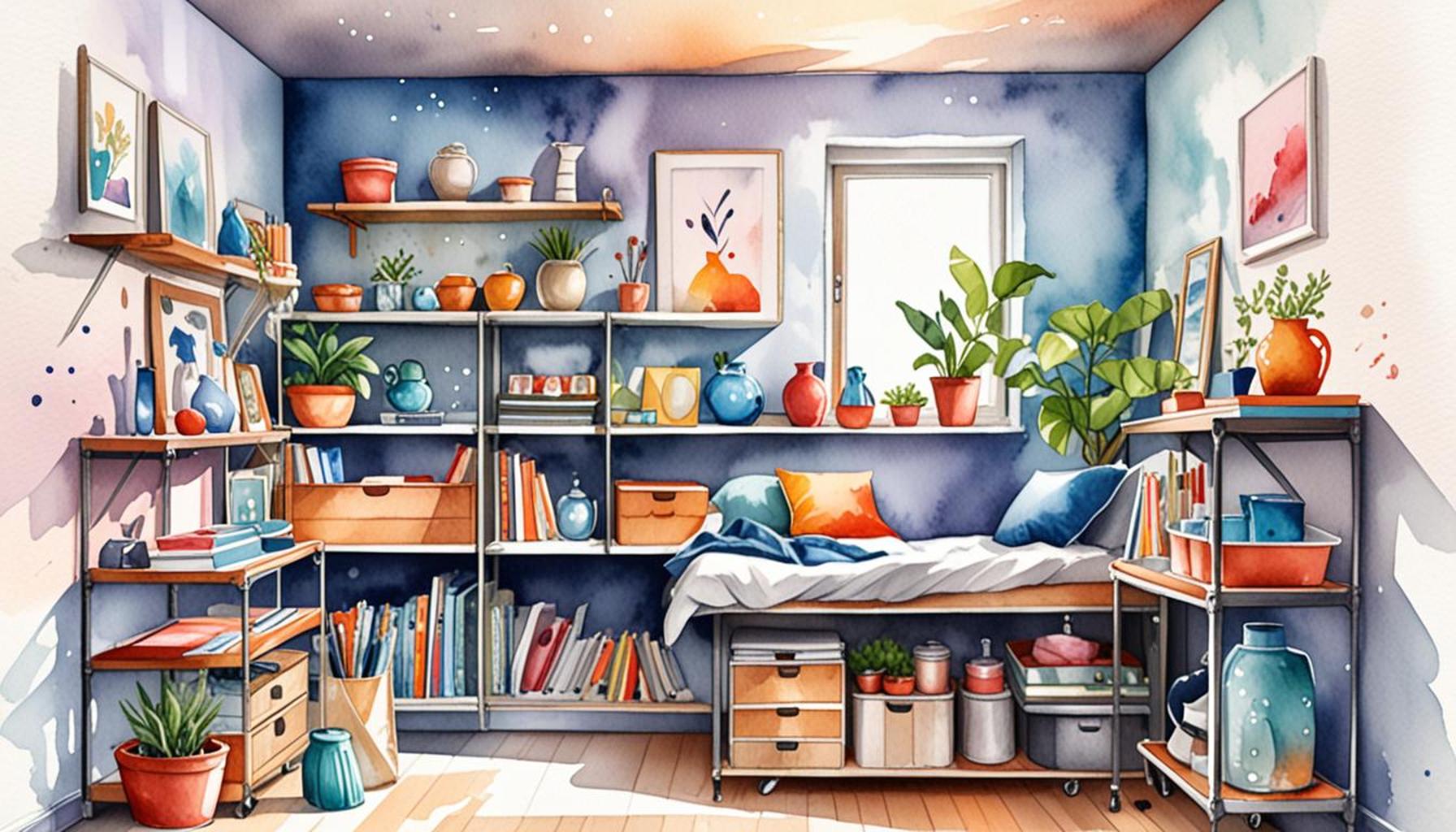
- Utilization of hidden storage solutions — This includes clever design elements such as under-bed storage, built-in bookshelves, or benches with concealed compartments that help maintain a clutter-free environment while enhancing the overall aesthetic of a space.
Incorporating these principles into storage design leads to innovative and intelligent solutions tailored specifically for urban living. As property prices soar and living spaces grow more compact in cities like New York and San Francisco, the need for creative storage has become essential. This trend has led to a flourishing market for customizable storage solutions that reflect individual styles while being highly functional.
A Look Ahead
As we delve deeper into the influence of minimalist culture, we’ll discover how these principles are reshaping storage design. The marriage of form and function is paving the way for sustainable urban living, prompting us to rethink our relationship with our possessions. For example, companies are now focusing on eco-friendly materials and manufacturing processes, which align with minimalism’s core tenet of sustainability.
Additionally, the digital age offers an opportunity to further embrace minimalism by reducing physical clutter through digital solutions. Cloud storage and online organization tools allow individuals to keep their physical spaces clean while still retaining access to necessary documents and memories.
Ultimately, the trend towards minimalist design is more than just a fleeting fad; it represents a cultural shift towards valuing quality over quantity, which can lead to healthier, more productive living environments. As this movement continues to gain momentum, it invites us all to evaluate what truly adds value to our lives and how we can integrate beauty with practicality in our daily spaces.
DIVE DEEPER: Click here to discover how simplified living can boost your productivity
Adapting to Urban Constraints
In an era where urban living is becoming synonymous with limited space, the influence of minimalist culture on storage solution design reveals a transformative approach to how we utilize our environments. Traditional storage methods often feel incongruent in this shrinking landscape, making room for creative innovations that enhance both functionality and style. As urban spaces become more compact, the principles of minimalism provide a breath of fresh air, allowing design to flourish amid constraints.
Revolutionary Concepts in Space Management
Successful storage solutions, deeply inspired by minimalism, are characterized by their ability to seamlessly blend design and practicality. Here are several revolutionary concepts shaping storage innovations in urban settings:
- Vertical living — Urban designers now leverage vertical space to maximize the use of square footage. Wall-mounted cabinets and suspended shelving units are being integrated into homes, allowing residents to utilize high ceilings effectively without overwhelming floor space.
- Modular systems — These customizable storage units can adapt to varying room sizes and personal preferences. Companies like IKEA and California Closets have introduced systems that enable users to configure their own storage solutions, creating an ever-evolving environment tailored to individual needs.
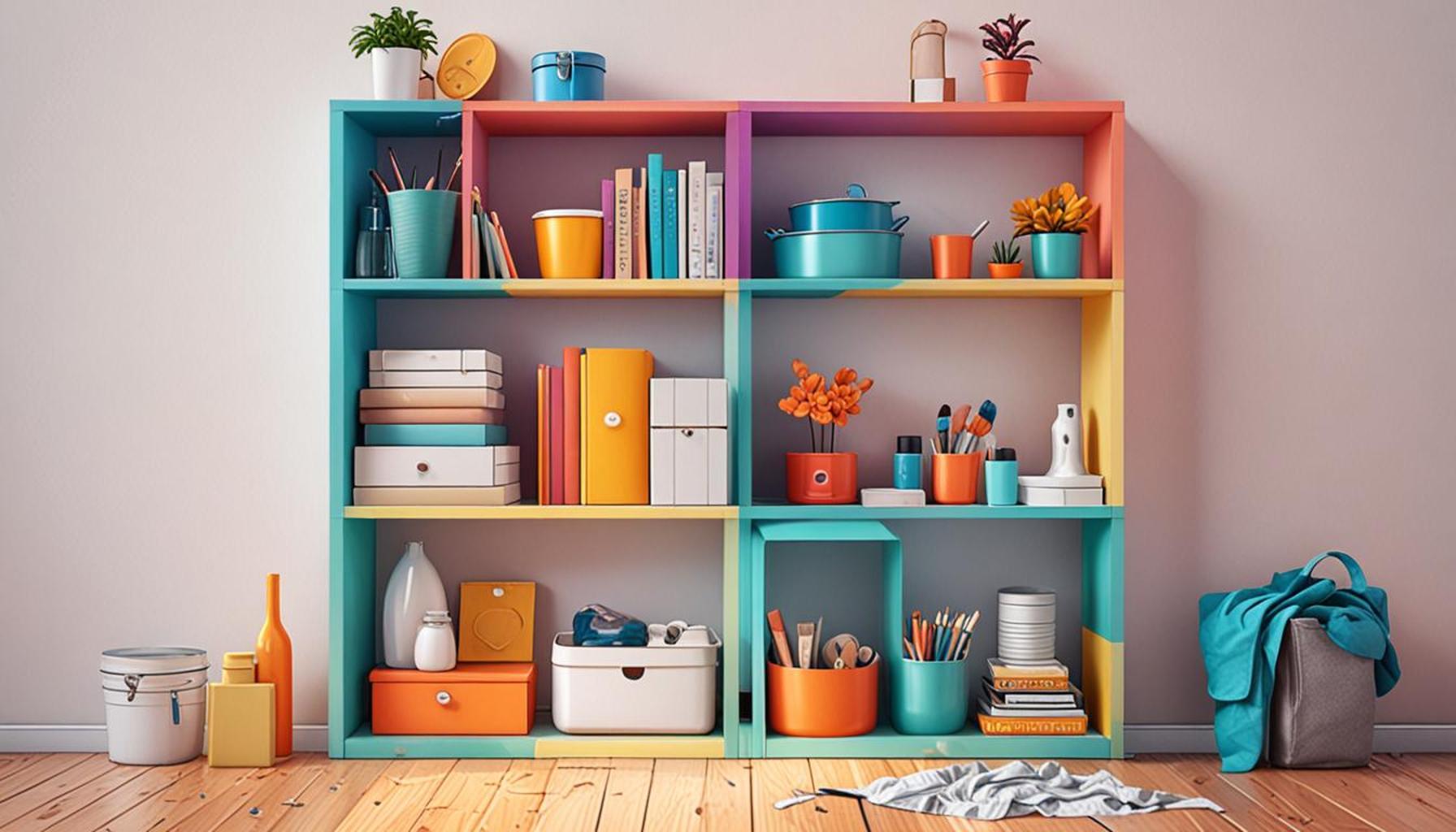
- Accessible design — Emphasizing ease of access, contemporary storage solutions favor open shelving or cubbies to provide clear visibility of belongings. This not only enhances usability but also fosters an organized aesthetic that aligns with minimalist ideals.
As the market continues to evolve, home and office spaces across the United States are witnessing a shift toward these innovative designs. In cities like Los Angeles and Chicago, the once customary bulky furniture is being replaced by sleek, space-saving alternatives that cater to the modern inhabitant’s need for efficiency. Additionally, the notion of collaboration is becoming increasingly significant, with co-housing and community spaces embracing shared storage solutions. This trend not only reduces individual clutter but also promotes a sense of togetherness and interaction, reflecting the social side of minimalism.
Embracing Sustainability and Purpose
Beyond effective space utilization, the minimalist movement advocates for sustainability, which further influences storage design. Observing increasing environmental concerns, consumers now seek products made from sustainable materials, prompting designers to source responsibly. Whether it’s bamboo shelving or recycled metal cabinets, eco-friendly options appeal to those who wish to minimize their environmental impact.
Furthermore, this cultural shift encourages intentional purchasing habits. Individuals are more inclined to invest in quality over quantity—prioritizing storage furniture that not only meets their immediate needs but also aligns with their broader values. Consequently, the trend toward intelligent storage solutions embodies a significant reflection of changing lifestyles in urban settings.
As we progress through this exploration of minimalist culture’s impact, it becomes evident that efficiency and sustainability are not mere trends but essential components of the future of urban living. The harmonious blend of form and function will continue to drive innovation in storage design, leading us to create environments that are not only organized but also profoundly reflective of our values.
The Influence of Minimalist Culture on Storage Solution Design in Urban Environments
The minimalist culture has profoundly influenced various aspects of modern living, particularly in the design of storage solutions within urban environments. As urban areas continue to grow and space becomes increasingly limited, the principles of minimalism—simplicity, functionality, and sustainability—have become essential in creating effective storage designs. This cultural shift emphasizes not just aesthetics but also the efficient use of available space.
One significant aspect is the integration of multifunctional furniture, a hallmark of minimalist design. These designs allow residents to maximize storage without compromising on style. For example, furniture pieces such as ottomans with hidden compartments or coffee tables that double as storage units help keep urban living areas uncluttered. Additionally, this approach promotes a mindset focused on owning fewer, high-quality items rather than accumulating a vast array of possessions.
Smart storage solutions have also gained traction in urban settings. Innovations like wall-mounted shelving, under-bed storage drawers, and modular closet systems showcase how modern technology can be leveraged to create practical, organized living spaces. These solutions not only adhere to minimalist aesthetics but also encourage a more sustainable lifestyle by reducing waste and promoting the efficient use of resources.
Moreover, the influence of minimalist culture extends beyond individual homes to larger urban development projects. Architects and urban planners are now prioritizing open spaces and communal storage areas, enhancing community interaction while adhering to minimalist values. This shift has resulted in developments that reflect a harmonious balance between functionality and simplicity, fostering environments where residents can thrive in organized and peaceful surroundings.
| Advantages | Details |
|---|---|
| Efficient space utilization | Innovative designs that maximize storage while minimizing clutter. |
| Improved quality of life | Simplicity promotes mental clarity and reduces stress in urban living spaces. |
As the demand for streamlined living continues to rise, the impact of minimalist culture on storage solutions will no doubt evolve. Designers will seek to create even more innovative approaches that blend form and function, addressing the unique challenges presented by urban environments. This ongoing evolution invites residents to rethink their relationship with space, ultimately leading to a more harmonious coexistence within their urban surroundings.
DISCOVER MORE: Click here to learn how to simplify your mind
Innovative Design Trends in Urban Storage Solutions
The minimalist culture is not just about downsizing; it’s about redefining how we view our possessions and the spaces we inhabit. In urban environments, where every square inch counts, innovative design trends are emerging that not only prioritize space efficiency but also aesthetic value. These trends are fundamentally reshaping storage solutions, making them integral to modern living.
Multi-Functional Furniture
One of the most significant developments in storage design is the rise of multi-functional furniture. This approach embraces the philosophy that furniture should serve more than one purpose, thereby reducing the need for excessive items. For instance, sofa beds serve as both seating and sleeping arrangements, while ottomans often double as storage bins. Such designs are increasingly popular among urban dwellers, especially in New York City apartments where space is at a premium. The creative use of furniture in this manner not only saves space but contributes to a more streamlined and organized living environment.
Transformative Spaces
Another innovative trend is the concept of transformative spaces. These designs enable rooms to shift their function depending on the time of day or the needs of the inhabitants. For example, a dining table can fold down from a wall or extend to accommodate guests, seamlessly transforming a small area from a workspace to a dining area. This functionality is particularly appealing to urban residents balancing work and leisure in compact living situations.
Smart Storage Solutions
Today’s technology further enhances minimalist storage designs through smart storage solutions. The integration of technology with design allows for efficient use of space through items like app-controlled shelves that adjust their height or depth to fit the user’s current needs. Brands like Wayfair have begun to incorporate tech-savvy innovations into their products, appealing to a growing demographic that favors convenience and efficiency in their homes. For urban dwellers with busy lifestyles, smart storage represents the cutting edge of convenience.
Simplicity in Aesthetics
The minimalist culture also promotes a focus on simplicity in aesthetics, which has real implications for storage solution design. Clean lines, neutral colors, and uncluttered surfaces create a sense of tranquility, even in the busiest city environments. Many designers are now adopting this approach, crafting storage solutions that emphasize simplicity without sacrificing functionality. The popularity of Scandinavian design, characterized by its minimalistic and functional furnishings, can be seen across many urban settings, influencing how residents perceive and interact with their living spaces.
As cities like San Francisco and Seattle grapple with rising housing costs and smaller living spaces, these innovative design trends flourish. The blend of functionality, technology, and aesthetics fosters a lifestyle that aligns with the values of modern urbanites. Ultimately, exploring these storage solutions reveals not just a response to spatial limitations but also a deeper cultural shift towards conscious living that prioritizes both style and sustainability.
DISCOVER: Click here to learn more
Conclusion: The Future of Urban Storage Solutions
The impact of minimalist culture on storage solution design in urban environments cannot be overstated. As cities become more densely populated and living spaces shrink, the need for innovative and efficient storage solutions has grown exponentially. The merging of aesthetics with functionality through trends such as multi-functional furniture, transformative spaces, and smart storage solutions illustrates a significant cultural shift towards valuing simplicity and efficiency over excess.
This movement reflects a growing awareness of sustainability as urban dwellers seek to live not only more organized but also more consciously. By embracing minimalism, residents are not merely adapting to spatial constraints; they are embracing a lifestyle that champions intentional choices and mindful living. Cities like New York and San Francisco serve as prime examples where these changes are not only necessary but are also reshaping the way individuals interact with their homes.
As we look ahead, the integration of technology in storage design will likely continue to evolve, making it easier for urbanites to optimize their spaces. The continued focus on functionality married with aesthetic appeal points to a future where homes are not just places to live but environments reflecting individual values and choices. This offers new opportunities for designers and consumers alike to rethink how we define home within the constraints of urban living, reinforcing the notion that less truly can be more.