The role of lighting in optimizing storage in minimalist spaces
Maximizing Minimalism Through Illumination
In the realm of minimalist design, lighting plays a critical role in enhancing both functionality and aesthetics. The right illumination can completely transform a cramped area into a spacious oasis, allowing minimalist living to be not only stylish but also practical. The interplay of natural and artificial light can create environments that serve as both sanctuaries of simplicity and showcases of designed elegance.
Consider these key aspects to understand how lighting influences storage and overall design:
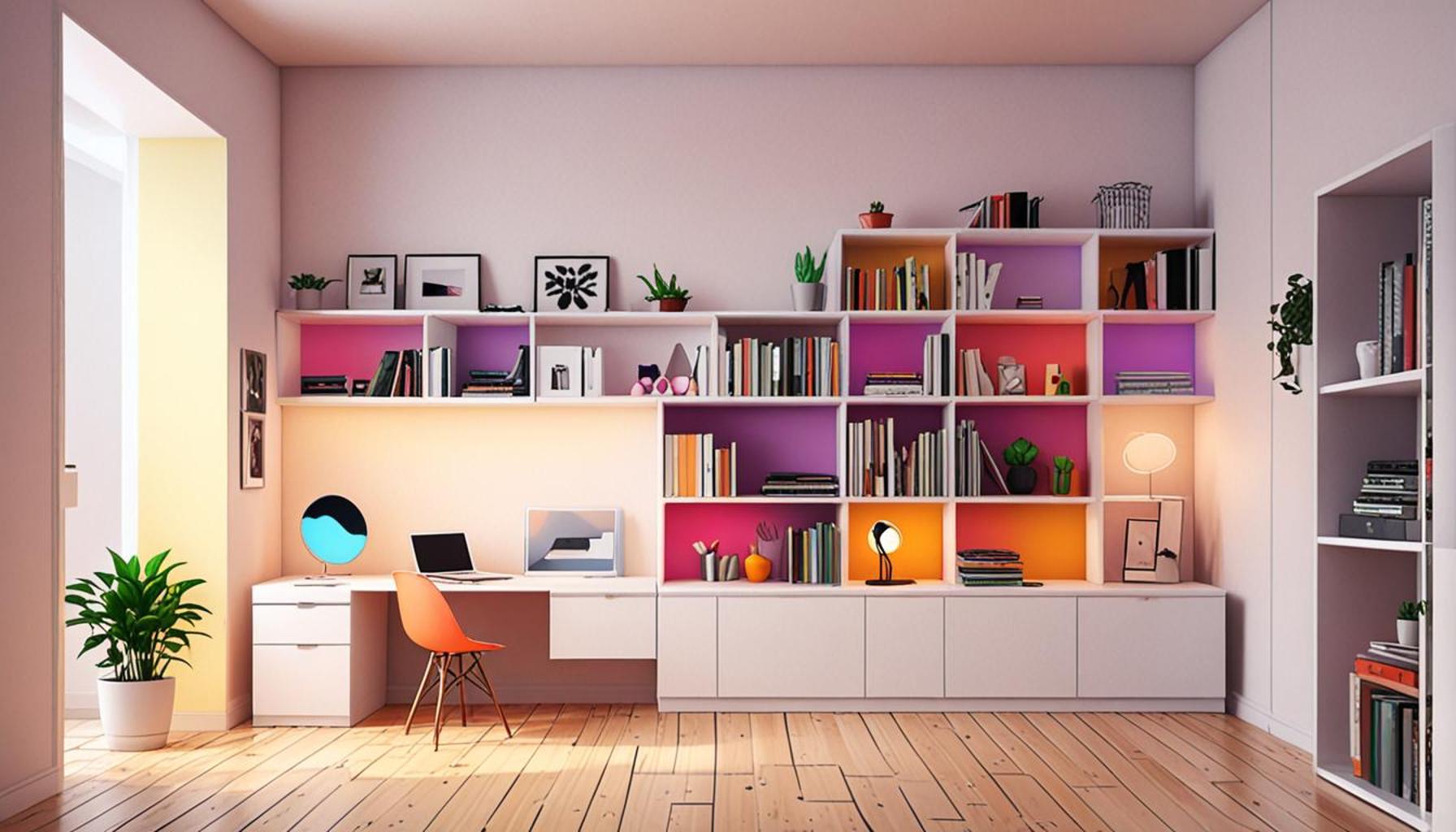
- Visibility: Proper lighting ensures that storage areas are easy to access and utilize. For instance, built-in shelves illuminated with LED strip lights can highlight decorative items while maintaining organizational clarity. Effective visibility encourages users to keep their spaces tidy, as they can easily see what is stored and what might need to be rearranged or discarded.
- Aesthetic Appeal: Well-placed lights can enhance the beauty of uncluttered spaces, drawing attention to specific features. For example, accent lighting can be used to highlight art pieces or architectural details, making them focal points while reinforcing a minimalist ethos. The art of using shadows and light can create visual interest without adding clutter.
- Perceived Space: Bright environments can create an illusion of spaciousness, making rooms appear larger. Utilizing large windows to let in natural light, or installing skylights in small areas, can increase the perception of openness. Light-colored walls combined with bright lighting can also amplify this effect, making cramped apartments feel more expansive.
In minimalist spaces, where each element must serve a purpose, efficient lighting can optimize the use of storage without overwhelming the senses. For example, multipurpose furnishings with integrated lighting not only save space but also create a warm ambiance. Clarity and purpose drive minimalist design, making effective lighting essential for demonstration.
Various types of lighting—both natural and artificial—can be harnessed effectively to elevate minimalist design. Integrated LED fixtures, for instance, can be flush-mounted to ceilings or cleverly hidden within cabinetry to maintain a clean look. Understandably, strategically placed floor and table lamps can serve dual roles, providing light while enhancing the design narrative.
Becoming attuned to the nuances of different lighting components is crucial for anyone looking to embrace minimalism fully. Explore how to balance function and form through the transformative power of light, and witness how it can redefine your minimalist environment into a harmonious blend of practicality and style.
DISCOVER MORE: Click here for advanced decluttering methods
Illuminating Efficiency: The Impact of Lighting on Storage Solutions
In minimalist spaces, where simplicity reigns supreme, the way we illuminate our surroundings significantly influences storage optimization. Effective lighting design creates awareness around our belongings, ultimately guiding us toward more organized and efficient living. By understanding the relationship between light and space, individuals can unlock their home’s potential to store essentials while keeping aesthetics intact.
One of the primary contributions of lighting in storage optimization is its ability to enhance functional visibility. Consider how a dimly lit closet can render shelving invisible, easily leading to chaos during the search for an item. Conversely, well-lit storage spaces can make it easy to assess what is available at a glance. Utilizing LED lighting fixtures under shelves or within cabinetry not only highlights individual items but also encourages a clean and tidy look. Such innovations in lighting technology are particularly useful in small urban apartments, where maximizing the utility of every square foot is crucial.
The unison of natural and artificial lighting plays a pivotal role in maximizing the benefits of minimalist design. For instance, using sunlight to its fullest can minimize reliance on artificial light during the day. Large windows, strategically oriented, can flood rooms with light, making storage solutions like built-in shelves or modular furniture shine. The natural light also alters the perception of the space, creating an inviting atmosphere that makes it easier for individuals to maintain organizational habits.
Furthermore, integrating various types of lighting can create a sense of duality in function and art. Below are a few ways to combine lighting and storage effectively:
- Direct Lighting: The use of focused lighting, such as spotlights or pendant lights, can accentuate specific areas, making certain storages, like kitchen shelves or library panels, stand out.
- Ambient Lighting: Soft, diffused light from ceiling fixtures can create a warm environment, making spaces feel larger and inviting without the risk of overshadowing the storage elements.
- Task Lighting: Under-cabinet lights in kitchens or reading lamps near book storage encourage productivity and functional clarity, allowing for easier access to stored items while performing tasks.
As lighting technology advances, the options for optimizing storage in minimalist spaces have become more diverse and innovative. Smart lighting systems, for instance, enable users to adjust brightness and color according to the time of day or activity, further enhancing the utility and aesthetic of storage areas. By embracing such lighting solutions, homeowners can tailor their environments for both convenience and style.
Ultimately, understanding the role of lighting in storage optimization reflects a deeper appreciation for minimalist living. By skillfully illuminating spaces, you can create organization and beauty in perfect harmony, leading to a tranquil, efficient living space. As minimalist trends continue to evolve, the thoughtful integration of light will undoubtedly remain central to creating environments that celebrate simplicity and function.
| Lighting Effects | Optimized Storage Solutions |
|---|---|
| Natural Light | Enhances visibility and can create the illusion of more space. |
| LED Lighting | Energy-efficient options that highlight key storage areas effectively. |
| Task Lighting | Improves functionality in minimalist setups by illuminating workspaces. |
| Accent Lighting | Draws attention to decor while maximizing storage aesthetics. |
Minimalist spaces often face challenges when it comes to maximizing storage while maintaining a clean aesthetic. One of the most impactful solutions is the strategic use of lighting. For instance, natural light can dramatically transform a space, making it feel larger and more open, thereby enhancing the overall appeal of your storage solutions. By allowing sunlight to flood a minimalist area, you not only brighten the surroundings but also create a captivating atmosphere that reduces clutter-related stress. Additionally, the incorporation of LED lighting is a game changer. These energy-efficient lights provide focused illumination without overwhelming the design. Place LED strips under shelves or within cabinets to subtly incite curiosity about your hidden storage areas. Furthermore, adding task lighting ensures that you can efficiently use every corner of a minimalist space, illuminating spots where you might store essential items, thereby maintaining an organized flow.Lastly, utilizing accent lighting can complement minimalist decor while highlighting your storage. For instance, spotlighting unique storage units can transform them into focal points rather than mere functional elements. By leveraging lighting intelligently, you can achieve both optimized functionality and an inviting atmosphere in minimalist environments.
DISCOVER MORE: Click here to unlock the secrets
Bringing Balance: The Art of Layered Lighting in Minimalist Storage
In the realm of minimalist design, where every detail counts, the concept of layered lighting emerges as a transformative strategy for optimizing storage. Layered lighting involves the strategic combination of ambient, task, and accent lighting to create a balanced and functional environment. Understanding how to mix these different types of lighting allows homeowners to enhance the visibility and aesthetic of their storage solutions, ensuring that organization does not come at the expense of style.
Ambient lighting serves as the foundational layer; it provides overall illumination for the space and can be achieved with ceiling fixtures, wall sconces, or embedded lighting. Think of a small living room with built-in bookshelves—utilizing flush-mount ceiling lights provides general brightness without overpowering the shelving. This approach allows the stored books to be subtly highlighted while contributing to a warm atmosphere, making it conducive for reading and entertaining.
The next layer, task lighting, fulfills specific needs in storage spaces. In a kitchen, for example, installing under-cabinet lights dramatically improves visibility over counter surfaces and within cupboards. This practical addition not only illuminates cooking tasks but also showcases decorative dishware or well-organized pantry items, encouraging greater awareness and more accessible dining organization. Adding dimmable features to these task lights allows homeowners to adjust brightness according to time or mood, making it a versatile choice for multifunctional spaces.
Finally, accent lighting becomes the cherry on top of storage optimization in minimalist environments. By utilizing accent lights to draw attention to artwork or architectural details, such as arches or beams, homeowners can create an engaging focal point in a typically clutter-free setting. LED strips can be applied to the inside edges of shelving to give an ethereal glow, ensuring that the items stored are not just functional but also enhance the visual narrative of the space. For instance, in a home office, accent lighting can highlight organized files or colorful stationery, prompting inspiration while also maintaining the calm required for minimalism.
Moreover, smart home technology enhances the dynamic nature of layered lighting. With the integration of smart LEDs or home automation systems, users can create custom lighting scenes that change throughout the day. This adaptability extends to individual storage areas too, facilitating transitions between multiple functions—be it working, relaxing, or entertaining—all while preserving minimalist principles.
When combining these lighting layers, homeowners should also consider the color temperature of their bulbs. Warmer tones, around 2700K–3000K, tend to create a cozy environment, while cooler tones, around 4000K, can make spaces feel cleaner and more focused. Choosing the right color temperature not only enhances the storage aesthetics but also complements the materials, colors, and layouts of the minimalist design, effectively reinforcing the overall ethos.
As more individuals embrace the minimalist lifestyle, understanding the role of lighting in optimizing storage has become increasingly vital. The right lighting strategy is not simply about visibility; it’s about creating a harmonious balance where every item serves a purpose and lives in harmony with its surroundings. The thoughtful application of lighting techniques can elevate the functionality of minimalist spaces, promoting both efficiency and tranquility in our everyday lives.
DISCOVER MORE: Click here to unlock the secrets of minimalist organization.
Conclusion: Enhancing Minimalism through Thoughtful Lighting
In the quest for a streamlined lifestyle, the role of lighting in optimizing storage within minimalist spaces cannot be underestimated. By effectively employing a layered lighting approach, homeowners can greatly enhance both the utility and aesthetics of their living environments. The synergy of ambient, task, and accent lighting transforms not just the physical space but also the mindset of those who inhabit it. Each component serves a distinct purpose, ensuring that every item stored is not only accessible but also contributes to an overarching sense of serenity and order.
The impact of light color temperature and innovative smart home technologies further underscores the adaptability of lighting solutions in minimalist design. Warmer bulbs create inviting atmospheres, while cooler tones can foster focus within multipurpose areas. As the minimalist trend continues to gain traction, exploring sophisticated lighting strategies promises to elevate living conditions, encouraging a functional yet stylish approach to organization.
In summary, embracing the intricate relationship between lighting and storage optimization can lead to remarkable transformations in how we experience our spaces. With the right illumination, not only do we maximize the efficiency of our storage solutions, but we also create environments that reflect the tranquil simplicity at the core of minimalism. As you consider updates to your own minimalist haven, remember that lighting is not merely an afterthought; it is a powerful tool that shapes both the physical and emotional landscape of our homes.