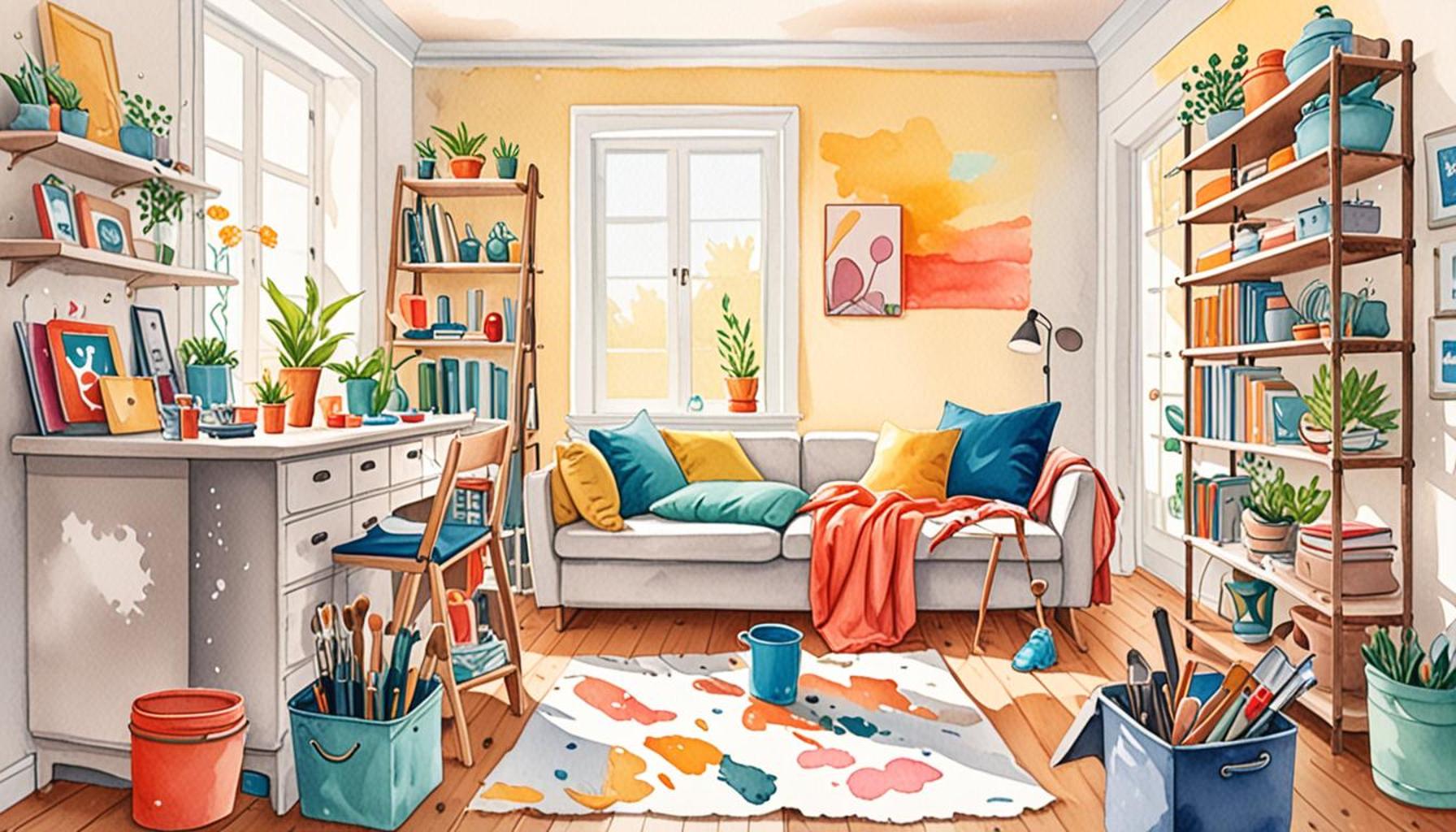
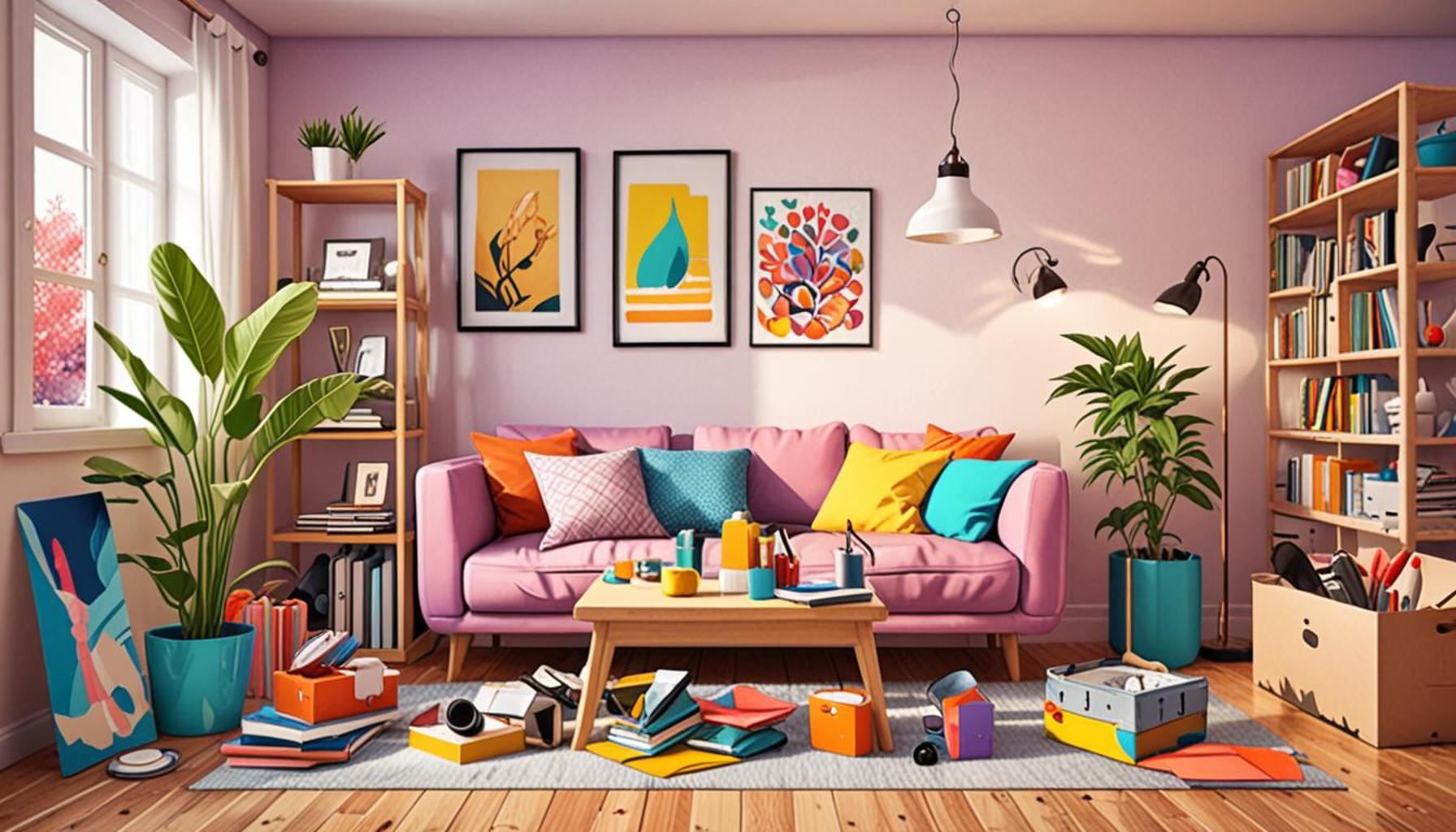
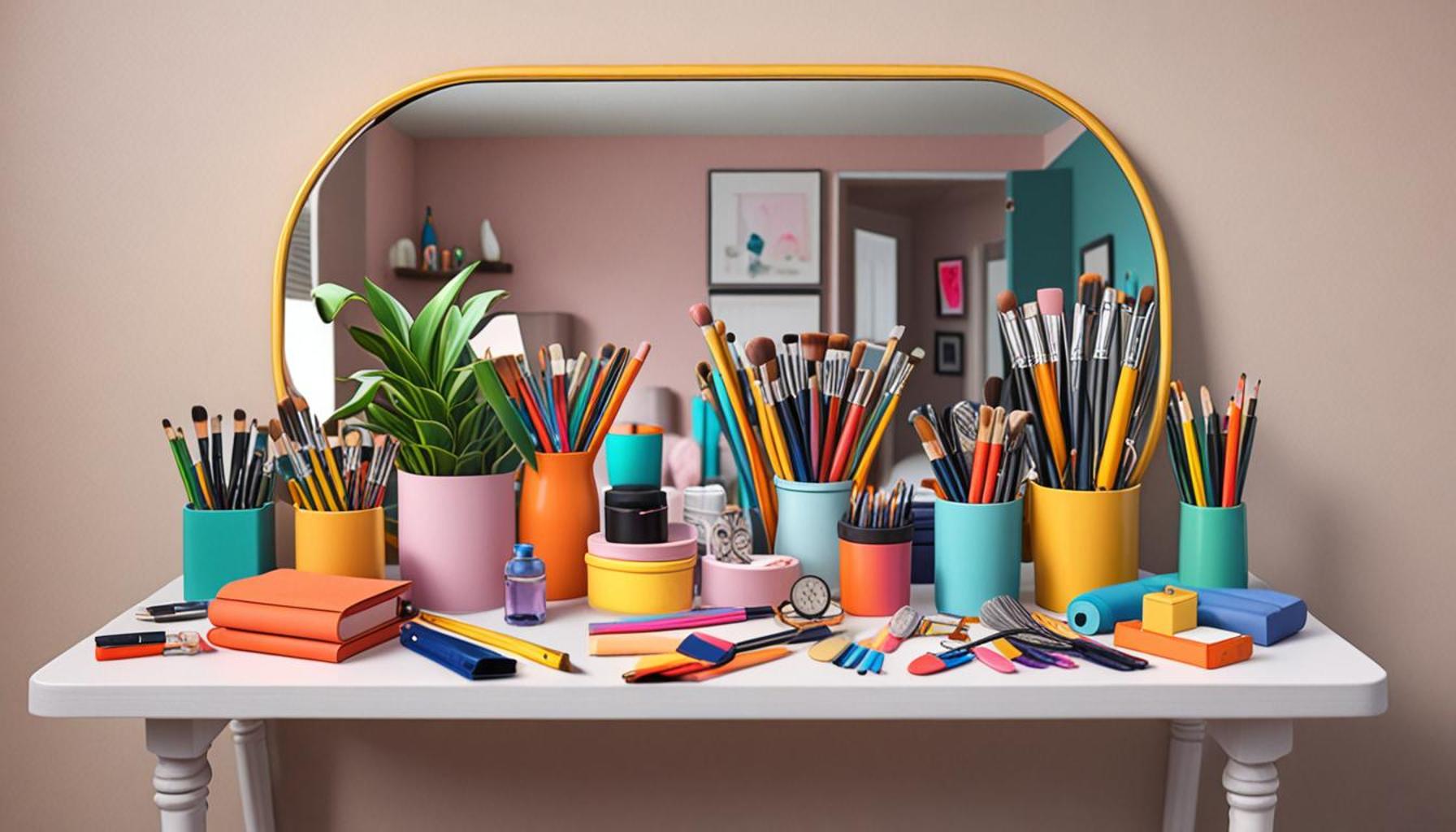
Transforming Spaces: Decluttering Techniques for Small Environments
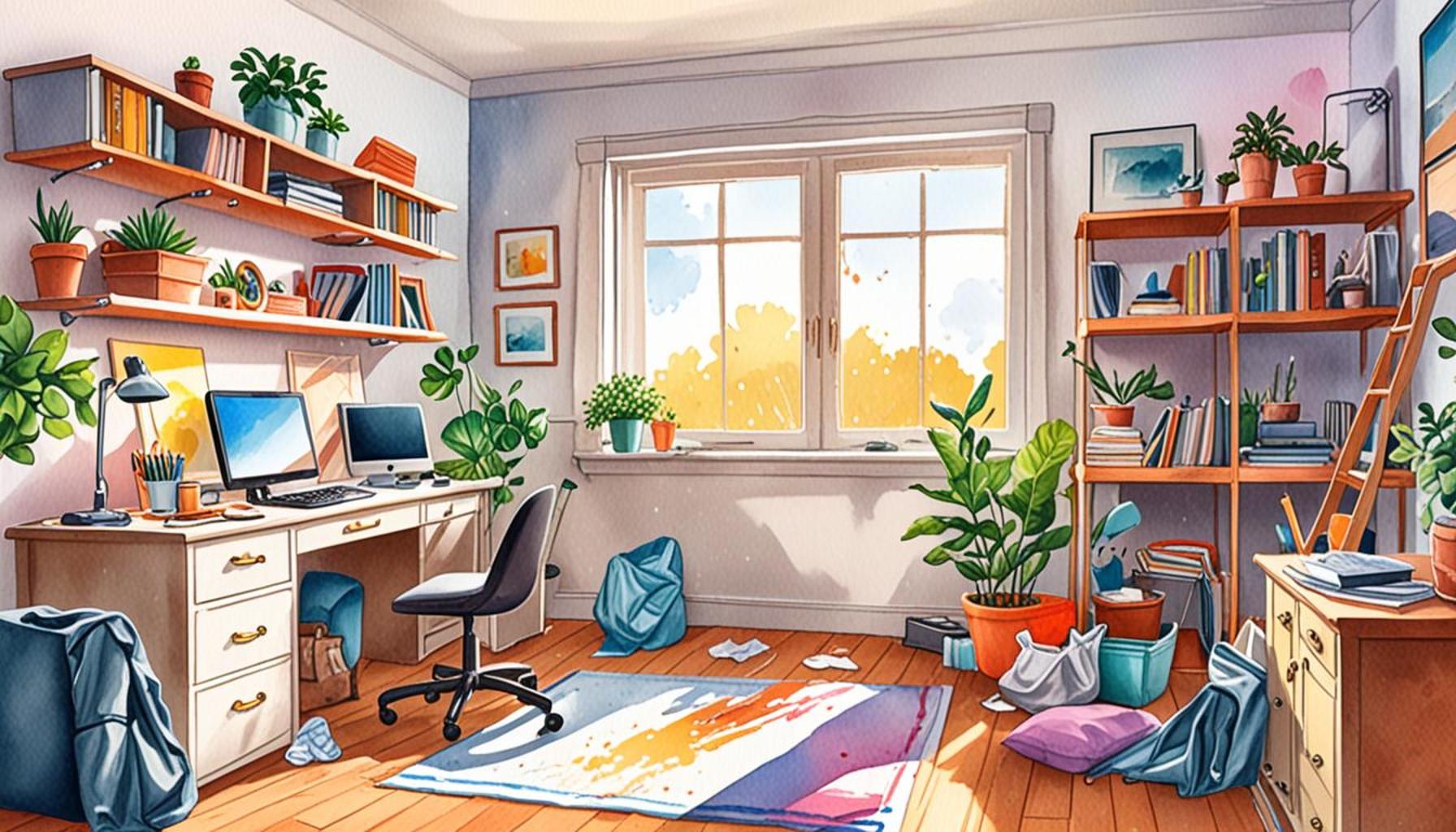
Creating Order in Limited Spaces
In today’s fast-paced world, small living environments can often feel cramped and chaotic. Many individuals struggle to find effective decluttering techniques that enhance their homes without sacrificing style. This article explores innovative strategies to transform these small spaces, making them more functional and inviting.
Why Declutter?
A cluttered environment can lead to increased stress and reduced productivity. Consider these startling facts:
- People spend an average of 55 minutes per day searching for items.
- Clutter can cause anxiety and affect mental clarity.
- Minimalist spaces promote relaxation and focus.
These statistics reveal that not only does clutter waste time, but it also hinders our ability to concentrate. For example, according to a study by the Princeton University Neuroscience Institute, a person’s ability to focus is significantly hampered by cluttered surroundings. Clearing out unnecessary items can thus lead to a clearer mind and improved productivity.
Key Techniques to Implement
Embracing simplicity is essential in small spaces. Here are several decluttering techniques to help maximize your area:
- Assess and Prioritize: Take inventory of your items and determine what you truly need versus what you simply wish to keep. Start with categories like clothing, kitchen gadgets, and books. A helpful method is the “one-year rule”—if you haven’t used an item in the last year, consider letting it go.
- Utilize Vertical Space: In tight quarters, height is your friend. Install shelves or hooks to draw the eye upward and create more storage without consuming floor space. For example, floating shelves in the living room or a pegboard in the kitchen can display décor or tools while keeping them accessible.
- Multi-functional Furniture: Choose pieces that serve dual purposes, like storage ottomans or a coffee table with built-in shelving. This approach not only saves space but also adds a layer of practicality. For instance, a sofa bed is ideal for small apartments, providing seating during the day and converting into a bed at night for guests.
In addition to these techniques, consider adopting a regular maintenance routine. Set aside ten minutes each day for light organizing, or tackle one drawer or closet each week. Consistency is key to sustaining a clutter-free environment.
By incorporating these strategies, you will not only declutter your space but also create a more harmonious living environment. The journey to transforming your small area begins here—let’s explore these techniques further!
DON’T MISS OUT: Click here to optimize your digital organization
Strategic Organization Methods
To effectively transform your space, adopting strategic organization methods is essential. The goal is to maximize every inch of available space while maintaining an aesthetically pleasing environment. Here are some practical strategies to consider:
- Sort, Categorize, and Clear: Begin by sorting items into distinct categories: keep, donate, and dispose of. This method not only simplifies the decision-making process but also provides a visual representation of what you own. Use transparent bins or labeled containers to categorize these items, ensuring easy access while maintaining a clean look.
- Limit Decorative Items: While decorative elements can enhance a room’s charm, too much can create visual clutter. Emphasize quality over quantity by selecting a few meaningful pieces to display, allowing them to stand out rather than compete for attention. For instance, choose a single statement piece for your living room’s mantle instead of a cluttered display of various decorations.
- Embrace a “One In, One Out” Rule: To avoid clutter from accumulating, adopt a rule that requires you to remove one item for every new piece you bring into your home. This technique aids in maintaining balance and ensures that your space remains uncluttered.
Engaging in these simple tasks can yield remarkable improvements in your living environment. Even small changes can produce significant results; re-evaluating storage solutions can create ample room for functionality. For example, instead of traditional headboards, consider wall-mounted shelves that serve as both a stylish décor element and a practical space saver for books or personal items.
Decluttering in Action
Implementing these decluttering techniques becomes even more effective when combined with visual motivators and practical applications. Utilizing checklists and progress trackers can instill a sense of achievement, providing encouragement as you tackle the organization of your space. Additionally, employing the services of a professional organizer can expedite the process and offer tailored advice based on your specific needs.
Take advantage of technology by using apps designed for decluttering and organizing. These tools can help guide you through your decluttering journey, offering reminders and encouragement along the way. Many individuals have reported that implementing technology has significantly improved their overall engagement with decluttering, making it less of a chore and more of an enjoyable process.
Ultimately, the journey towards a more organized small space requires intentionality and commitment. By applying these techniques, you will not only maximize your space but create an environment that deserves to be both functional and inviting. The transition to an elegantly curated home begins with deliberate steps—let your decluttering journey take flight!
Transforming Spaces: Decluttering Techniques for Small Environments
In the quest for creating a more functional and serene living space, decluttering has emerged as a pivotal practice, especially for those navigating small environments. Implementing effective decluttering techniques can dramatically enhance not only the aesthetics but also the comfort of your home. Let’s explore some insightful methods that are highly effective in transforming your space.
| Technique | Benefits |
|---|---|
| The 3-Box Method | This method encourages you to categorize belongings into three boxes: Keep, Donate, and Trash. By actively sorting your items, you immediately create clarity on what stays in your space and what doesn’t. |
| One In, One Out Rule | For every new item brought into your home, an old item must be removed. This rule fosters a sustainable approach to decluttering and ensures that your living space remains organized, making it visually appealing. |
Utilizing these techniques is not only about reducing clutter but also about enhancing your connection with your living space. A well-organized environment can lead to remarkable improvements in focus and tranquility, ultimately elevating your lifestyle.
Discovering how to maximize your space while living with less allows for a deeper appreciation of your belongings, encouraging mindfulness in consumption. By embracing the art of decluttering, you pave the way for a home that not only looks good but feels good to live in.
DIVE DEEPER: Click here to start your minimalist journey
Innovative Storage Solutions
One of the key elements in transforming small spaces is the ability to create innovative storage solutions that cater to both functionality and style. As you embark on your decluttering journey, consider incorporating these inventive ideas that can dramatically enhance your environment:
- Multi-Functional Furniture: Invest in pieces that serve dual purposes. For instance, a coffee table with built-in storage or a bed frame with drawers can provide vital space to stow away items without sacrificing aesthetics. By selecting furniture that meets more than one need, you’ll eliminate excess while maintaining a cohesive design.
- Vertical Space Utilization: In small living areas, floor space is often limited. Look to the walls for potential storage. Wall shelving units and hanging organizers can create additional space for books, decor, or even kitchen supplies. Floating shelves, for example, can host herb plants in the kitchen or showcase art and photographs in a gallery-style display.
- Under-Bed Storage: Often overlooked, the area beneath a bed can be a treasure trove for storage possibilities. Utilize under-bed bins or drawers to keep out-of-season clothing, shoes, or linens accessible yet out of sight. This tactic not only provides ample storage but also helps streamline bedroom clutter.
Clever Organizational Techniques
Beyond furniture and storage solutions, implementing clever organizational techniques can create a sense of order in even the tiniest of spaces. Here are some tactics to consider:
- Drawer Inserts and Organizers: Drawer organizers help to compartmentalize items, making it easier to find what you need quickly. Utilize small bins or custom inserts to categorize items like utensils, office supplies, or makeup. This simple addition can enhance accessibility and encourage you to maintain order.
- Labeling Systems: Invest time in creating meaningful labeling systems for storage containers and drawers. Clear labels can eliminate confusion and save time, especially when managing the organization of shared spaces. Use a label maker or decorative tags to add an aesthetic touch that aligns with your decor style.
- Rotating Seasonal Items: Small homes can quickly become overcrowded when belongings are not routinely reassessed. Consider implementing a system for rotating seasonal items, such as holiday decorations or clothing. Designate a specific period each year to evaluate what you use and need, ensuring your space accommodates current lifestyle needs.
Engaging in these organizational techniques helps you stay connected with your belongings, offering insight into what is essential versus what simply occupies space. By creating a regimented and thoughtful approach to managing items, you solidify the foundation for a more organized and calming environment.
Emphasizing Minimalism
Adopting a minimalist approach can also remarkably impact small environments. By focusing on the essentials and eliminating excess, you cultivate a more serene atmosphere. Consider these minimalist principles while decluttering:
- Mindful Acquisition: Prioritize intentional purchases by considering the longevity and utility of items before buying. Ask yourself if each item adds value to your life or contributes to clutter. This principle encourages conscious consumption, thus reducing the accumulation of unnecessary belongings.
- Digital Decluttering: Don’t forget that decluttering extends beyond physical items. Reduce digital clutter by organizing files and deleting unnecessary documents on your devices. Utilize cloud storage solutions to free up space on your devices, allowing for efficient access without visual distractions.
Ultimately, embracing minimalism while incorporating innovative storage solutions and clever organizational techniques can lead to a transformative decluttering experience. Each small step contributes to creating an organized, functional, and inviting small environment, allowing you to enjoy your space to its fullest potential.
DISCOVER MORE: Click here for insightful strategies
Conclusion
In the quest to create harmonious and functional small environments, the process of decluttering is essential. By implementing innovative storage solutions, such as multi-functional furniture and vertical space utilization, you can maximize every inch of your home. For instance, consider a sofa that doubles as a storage unit or a coffee table that can expand to accommodate guests. These pieces not only serve a practical purpose but also add an element of style to your space. Techniques like using under-bed storage—where bins can hold seasonal clothing or extra bedding—and organized labeling systems for your pantry streamline your space and make it easier to find what you need when you need it.
Furthermore, adopting a minimalist mindset can significantly refine your space. This approach promotes the idea of omitting excess physical items, which cultivates a serene atmosphere conducive to peace and creativity. You might start by asking yourself whether each item you own adds value to your life. If it doesn’t, consider donating or recycling it. As highlighted, this practice not only purifies your physical environment but also clears mental clutter, enhancing your focus on important tasks.
Moreover, the journey doesn’t end with physical items. Engaging in digital decluttering ensures that your virtual environment stays just as organized and distraction-free as your physical one. Unsubscribe from unnecessary emails, delete unused apps, and organize your digital files into clearly labeled folders. This holistic approach to decluttering allows you to focus on what truly matters, ensuring that your living space evolves in harmony with your lifestyle.
Transforming small spaces goes beyond mere tidying; it’s about re-envisioning how you interact with your belongings. By embracing these decluttering techniques, such as using pegboards for better tool organization or tiered shelving to add extra layers of storage, you not only enhance the functionality of your home but also cultivate an inviting atmosphere that reflects your personality and preferences. So, embark on this journey today and discover how effective organization and mindful living can transform your small environment into a serene sanctuary. Your space deserves to be a reflection of you—one that embodies both style and efficiency, ultimately creating a backdrop for a fulfilling lifestyle.